
Strait Of Hormuz Ship Crossings Skyrocket Following Breakthrough US Iran War Termination Agreemen
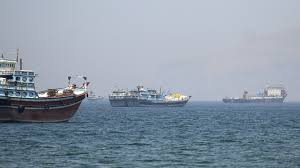
A major breakthrough in global energy logistics occurred on June 18 as commercial shipping traffic through the Strait of Hormuz experienced a massive surge. According to specialized tracking data released by maritime intelligence firm AXSMarine, 25 verified commercial vessels successfully crossed the newly reopened maritime chokepoint in a single day. This sudden movement represents the highest single day transit count recorded since April 18. This dramatic volume increase represents a flow more than five times higher than the average daily level documented during the first 10 days of June, when intense fighting kept the global shipping industry frozen. The immediate return of cargo ships, oil tankers, and bulk carriers highlights the immense commercial eagerness to resume transit through a corridor that traditionally carries 20 percent of global petroleum and liquefied natural gas.
The sudden reopening of this vital trade route follows a historic memorandum of understanding signed by the United States and Iran designed to bring a swift termination to the active regional war. Iranian forces had originally closed the strategic channel on February 28 following a series of heavy American and Israeli military strikes, an action that instantly drove up global oil prices and choked off critical supplies of international energy and agricultural fertilizer. While global markets have responded with immediate financial optimism, including fast falling crude prices, the physical reality on the water remains precarious. Empty transport trucks formed a massive 3 kilometer queue outside the United Arab Emirates port of Korfakkan just south of the strait as container vessels rushed to unload cargo, creating an immediate logistical bottleneck for local port authorities.
Despite the highly visible spike in maritime movement, global shipping organizations are advising vessel operators to maintain extreme caution. AXSMarine experts revealed that the true number of daily crossings may actually be higher than 25 because multiple merchant captains purposely manipulated or deactivated their Automated Identification System transponders to navigate the dangerous passage undetected. This latest traffic surge uniquely occurred during the most extensive satellite signal disruption event observed in the Persian Gulf since the war began, with more than 200 commercial vessels simultaneously targeted by sophisticated electronic spoofing and abnormal tracking interference. Furthermore, serious safety hazards continue to threaten international crews, as the Pakistani navy issued an urgent defense bulletin confirming that an active sea mine was spotted drifting in the waters off the coast of Oman.
This rapid return of merchant traffic exposes a deep friction between immediate corporate commercial interests and long term geopolitical stability. While the International Maritime Organization is actively designing emergency plans to rescue more than 500 merchant ships and 11,000 seafarers currently stranded inside the Persian Gulf, the broader peace structure remains unstable. Leading shipping lobbies note that routine pre war traffic averaged 110 daily crossings, meaning the current surge is merely a fraction of normal capacity. Because the ongoing 60 day peace negotiation window between Washington and Tehran remains vulnerable to sudden military flare ups on regional borders, ship owners face a difficult dilemma. They must choose between capitalizing on waived Iranian transit tariffs or keeping their multi million dollar assets safely anchored away from an unpredictable active combat zone until international navies completely clear the water.