
Can You Sue TV Anchors Like Amish Devgan for Defamation?
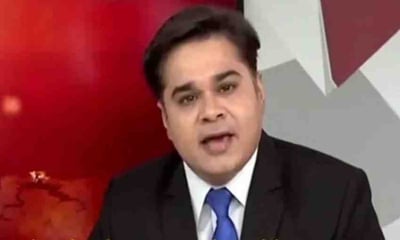
The landscape of mainstream television journalism in India is navigating an era of unprecedented legal accountability as individual citizens and community groups actively assert their statutory rights against misleading on air commentary. For years prominent prime time news anchors have commanded vast public attention by utilizing highly confrontational presentation formats and aggressive debate styles designed to maximize viewership metrics. However a series of controversial broadcasts has triggered widespread public conversations regarding the boundaries of press freedom and the protection of individual reputation. Legal analysts across the country emphasize that the constitutional right to freedom of speech and expression is not absolute and must coexist with the fundamental right of every citizen to live with dignity. When a broadcast host crosses the threshold from legitimate journalistic questioning into targeted character assassination or communal provocation the legal system provides clear pathways for affected parties to initiate strict civil and criminal proceedings.
A significant point of legal discussion revolves around the operations of senior television host Amish Devgan who serves as a high profile face for multiple regional networks under the TV18 Broadcast banner. During a live broadcast of his prime time program Aar Paar a major controversy erupted when the anchor used highly derogatory terms while referencing the deeply revered Sufi saint Hazrat Moinuddin Chishti also popularly known as Khwaja Gareeb Nawaz. This specific on air incident sparked massive public outrage resulting in the immediate registration of 7 distinct First Information Reports across multiple Indian states including Rajasthan Maharashtra Telangana and Madhya Pradesh. Although the host subsequently issued a public clarification on social media claiming the utterance was an inadvertent slip of the tongue where he meant to refer to historical ruler Alauddin Khilji the incident demonstrated how unchecked live remarks can instantly impact public sentiments and harm communal harmony. The legal ramifications intensified when the Supreme Court of India officially refused to quash the multiple criminal cases filed against the anchor noting that influential media personalities carry a higher civic duty to ensure their words do not cause social disharmony.
To understand the full scope of accountability available to any citizen it is essential to examine the specific legal provisions under Indian law that can be imposed when a television host engages in defamatory or inflammatory reporting. In instances where an anchor targets an individual or a specific group on a public platform the affected party has the immediate right to file a criminal defamation case under Section 499 of the Indian Penal Code which defines defamation as any spoken or published imputation intended to harm the reputation of a person. Furthermore Section 500 of the IPC prescribes explicit punitive measures including simple imprisonment for a term extending up to 2 years or a substantial financial penalty for those found guilty of publishing defamatory content. In parallel cases that involve broader community impact or communal provocation law enforcement authorities regularly invoke Section 153A of the IPC which penalizes the promotion of enmity between different groups on grounds of religion race or language alongside Section 295A which deals with deliberate and malicious acts intended to outrage religious feelings. Broadcasts that disseminate unverified rumors or false statements affecting public peace can also attract charges under Section 505 which strictly addresses statements creating or promoting public mischief.
These expanding legal challenges signal a transformative shift where the public is no longer passive when confronting reckless or biased reporting from segments of the media often criticized for prioritizing sensationalism over objective news delivery. Legal experts state that the combination of criminal complaints and substantial civil defamation lawsuits seeking multi crore monetary damages functions as an essential democratic check against media overreach. By transferring all consolidated criminal cases against Devgan to Ajmer in Rajasthan for a detailed investigation the judiciary reinforced the precedent that media professionals are fully subject to the rule of law. Every individual retains the absolute statutory right to approach a court of law to defend their identity whenever a high profile television platform is utilized to launch unsubstantiated personal attacks or demean community values. As these landmark legal cases advance through the judicial framework they establish a robust blueprint for future media accountability proving that the constitutional right to individual dignity remains paramount and fully protected under the laws of the land.