
China Backs Pakistan As Ultimate Mediator To End Growing US Iran Conflict
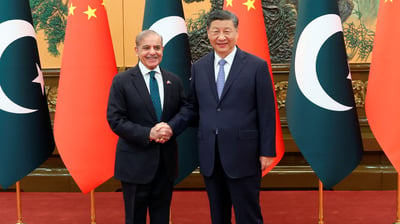
A massive geopolitical shift is taking place in Asia as Chinese President Xi Jinping officially welcomed Pakistani Prime Minister Shehbaz Sharif to the Great Hall of the People in Beijing. This high profile meeting occurred at a time when the world is keeping a close watch on the intense diplomatic efforts to resolve the conflict involving the United States and Iran. Accompanied by Pakistan Army Chief Field Marshal Asim Munir, the Pakistani leadership discussed the future of global peace with China. President Xi praised Pakistan for showing great initiative and courage by stepping up as a key mediator to resolve the dangerous tensions in West Asia. The meeting highlighted that the seventy five year old diplomatic relationship between Beijing and Islamabad remains completely unshakeable despite a rapidly changing global landscape.
The talks focused heavily on the status of the regional peace process. Pakistan has surprisingly become the primary bridge between Washington and Tehran, even hosting direct, face to face discussions to prevent a larger war. While previous dialogue rounds struggled to establish a permanent agreement, Prime Minister Sharif indicated that the peace process is finally moving in the right direction. He expressed deep gratitude for China supporting these mediation efforts, noting that President Xi’s four propositions on the West Asia crisis offer the best path toward long term stability. The active presence of Field Marshal Munir, who arrived in Beijing immediately after conducting high level talks with Iranian leadership in Tehran, shows how seriously Pakistan is taking this dangerous diplomatic tightrope walk.
Looking closely at the situation, Pakistan is playing an incredibly risky but potentially highly rewarding game. By acting as a peace broker between two bitter enemies like the United States and Iran, Islamabad is trying to rebuild its international image and prove its strategic value to both the Western world and Gulf nations. China is fully backing this move because a stable Middle East directly protects Chinese energy supply lines and investments. However, this mediation path is filled with heavy obstacles. The ceasefire initially achieved in April remains fragile, and any unexpected military action from either Washington or Tehran could instantly destroy months of delicate backchannel diplomacy. Pakistan is putting its global reputation on the line, and if these negotiations collapse, it could face intense pressure from all sides.
In the final analysis, this crucial meeting proves that the alliance between China and Pakistan is no longer just about regional trade or local borders, but is now shaping global security. While the multi billion dollar China Pakistan Economic Corridor remains a huge part of their relationship, regional security and protecting Chinese workers inside Pakistan have become just as important. Prime Minister Sharif promised to provide foolproof security for all Chinese projects, showing that domestic safety is vital to keeping Beijing's economic support alive. Ultimately, the success of this alliance will depend on whether Pakistan can successfully turn its diplomatic efforts into a lasting peace agreement between the United States and Iran while keeping its own internal security completely stable.