
Trump Ordered Muslim Countries To Sign Peace Deal With Israels Netanyahu Will Muslim Nations Sell Their Souls
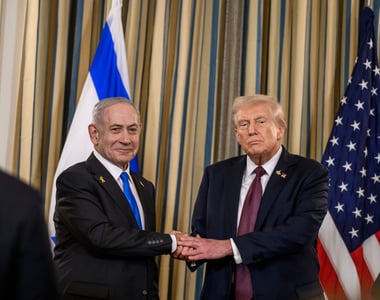
The geopolitical landscape of West Asia has experienced a massive seismic shift following a series of high stakes diplomatic interventions by the White House. United States President Donald Trump has officially linked ongoing negotiations with the Islamic Republic of Iran to a broader regional normalization framework, catching several international leaders completely off guard. In a comprehensive public statement, Trump revealed that he held a crucial conference call with the heads of state from several prominent Arab and Muslim majority countries, including Saudi Arabia, Qatar, Turkey, Pakistan, Egypt, and Jordan. During this discussion, the American administration explicitly stated that concluding the current military hostilities and securing a comprehensive peace agreement with Tehran must be accompanied by these nations formally recognizing the government of Benjamin Netanyahu through the expanded framework of the Abraham Accords. The announcement comes just as senior American diplomats indicate that a memorandum of understanding to end the prolonged regional war and safely reopen the vital Strait of Hormuz shipping lanes is rapidly nearing its finalization stages.
The unexpected diplomatic maneuver has sent shockwaves through foreign ministries across the globe, primarily because of the historical context regarding regional ties with Israel. While nations like Egypt and Jordan have maintained long standing bilateral peace treaties with Jerusalem for several decades, and the United Arab Emirates and Bahrain were foundational members of the original agreements brokered in late 2020, countries like Saudi Arabia, Qatar, and Pakistan have historically refrained from establishing formal diplomatic channels. According to intelligence sources familiar with the high level phone call, the sudden proposition left several leaders temporarily speechless, highlighting the profound complexity of merging a bilateral security agreement with a widespread regional realignment. Trump aggressively pushed for an immediate diplomatic shift, asserting that the expansion of the accords should commence with the simultaneous signing by Riyadh and Doha, while suggesting that failing to participate would indicate a lack of genuine intent toward achieving permanent stability in the region.
From an analytical standpoint, this strategic linkage reveals a deliberate effort by Washington to leverage its maximum pressure diplomacy to secure a legacy defining geopolitical restructuring. By making regional normalization with the Netanyahu administration a mandatory prerequisite for the implementation of the highly anticipated Iran peace package, the American administration is attempting to build a comprehensive security architecture designed to isolate extremist elements while fostering interconnected economic corridors. For the participating Arab states, this presents a severe foreign policy dilemma, as they must balance the tangible benefits of a guaranteed ceasefire and global trade resumption against deep rooted domestic public opinion and historical solidarity with regional causes. The critical calculation lies in whether the economic boost and security guarantees promised by the expanded coalition can successfully outweigh the internal political risks of reversing long standing diplomatic taboos without prior incremental progress on broader territorial disputes.
Despite the intense scrutiny and mixed reactions from various international factions, the American leadership remains highly optimistic about the trajectory of the ongoing discussions, even raising the unprecedented possibility of Iran itself eventually entering the alliance framework. Diplomatic representatives and key advisors have already been dispatched to initiate formal follow up procedures with the respective foreign ministries to iron out the technicalities of the expansive signing process. As the world watches these fluid developments, the traditional boundaries of Middle Eastern diplomacy are being thoroughly rewritten, proving that the conclusion of contemporary warfare may ultimately depend on the establishment of unexpected corporate, economic, and diplomatic alliances. The coming days will be entirely decisive as individual nations evaluate their positions, determining whether this ambitious vision of a unified regional economic powerhouse can transition from a bold diplomatic ultimatum into a functioning reality on the global stage.