
Crude Oil Sinks To Three Month Low As Trump Hints At Iran Deal Offering India Fuel Price Relief: Will Modi Govt Give Relief To Indian Or Not?
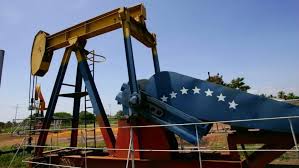
Global energy markets experienced a massive shakeup as international crude oil prices tumbled to a 3 month low following declarations from US President Donald Trump that a historic peace deal with Iran is finally within reach. The international benchmark Brent crude plummeted nearly 5 percent to hover near 85 dollars per barrel, marking its lowest price point since the early stages of the devastating West Asia conflict that erupted earlier this year. In tandem, the US West Texas Intermediate marker slid more than 3 percent to settle close to 82 dollars a barrel. Trump announced from the White House that he had proactively called off fresh military strikes against the Islamic Republic, claiming that a formal memorandum of understanding could be signed as early as this weekend to fully reopen the vital Strait of Hormuz shipping route. This sudden geopolitical breakthrough has ignited massive waves of optimism across global financial markets, sending stock indices soaring from New York to Tokyo while abruptly puncturing the heavy risk premium that had kept energy commodities unsustainably inflated for months.
For India, which relies heavily on imports to meet 85 percent of its domestic oil requirements, this sharp contraction in global crude prices offers a vital lifeline to an economy wrestling with severe inflationary pressures. State run oil marketing companies across the country had implemented 4 consecutive fuel price hikes since mid May to protect their profit margins from the severe global supply disruptions caused by the naval blockades in the Persian Gulf. These domestic adjustments triggered an 8 percent surge in retail petrol rates and an 8.5 percent hike in diesel costs, impacting everyday transportation expenses and driving up the operational costs of essential food commodities. A sustained drop in crude oil below the 90 dollar threshold will drastically shrink the national import bill, offering the central government ample fiscal space to roll back these recent fuel price hikes and provide direct economic relief to millions of middle class consumers. Furthermore, a reduced outflow of foreign exchange to pay for energy shipments is expected to provide immediate structural support to the weakening Indian rupee, bolstering the broader macroeconomic stability of the South Asian nation.
However, a deeper inspection of the ongoing diplomatic maneuverings suggests that the current market celebration might be somewhat premature given the immense ground realities involved. While Donald Trump confidently asserted that all key international parties had approved the framework in full detail, official spokespersons from Tehran rapidly pushed back against the narrative, stating that no final agreement has been signed and accusing Washington of introducing unfair late conditions into the text. Commodity analysts note that even if a diplomatic document is officially executed over the weekend, the actual physical bottlenecks plaguing global energy distribution cannot be dissolved by a mere signature. The Strait of Hormuz, which traditionally serves as the transit corridor for 20 percent of global petroleum shipments, remains hazardous due to extensive underwater mining and significant infrastructural damage inflicted by recent drone attacks. These physical constraints have drawn down global commercial stockpiles to their lowest levels since 2003, indicating that a genuine rebalancing of global energy supply lines will require several months of structural repairs and de mining operations rather than an instantaneous market correction.
The sudden downward shift in commodity pricing presents a critical regulatory opportunity for New Delhi to re evaluate its domestic pricing strategies and financial cushioning mechanisms. For months, the high cost of imported crude forced a rigid economic stance where public oil marketing firms absorbed severe losses before passing the burden onto regular retail consumers. While an immediate drop in international spot prices creates room for celebration, sustainable long term relief across Indian fuel stations depends entirely on structural stability rather than sudden, sentiment driven market plunges. Government policymakers must strategically balance immediate populist demands for cheap fuel with the necessity of rebuilding national strategic oil reserves that were heavily depleted during the peak of the global supply crunch. As international negotiators race against time to formalize the proposed peace pact, the Indian administration faces the critical task of translating these volatile international market gains into concrete economic relief for its citizens while insulating the domestic market against future geopolitical volatility.