
Karnataka Launches Smart Cards For Womens Free Bus Travel To Replace Physical ID Verification In Bengaluru
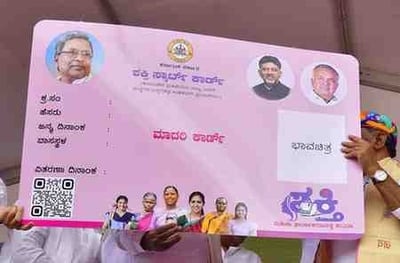
The Karnataka state transport department has initiated a major technological overhaul for its flagship welfare program, the Shakti scheme. Under the new directive announced by Transport Minister Byrathi Suresh, the government will distribute specialized smart cards to over 30,000,000 beneficiaries across the state. Since its initial launch, the free transit initiative has seen a massive 40 percent surge in daily female ridership, putting an immense operational strain on ground staff. Up until this point, women commuters in Bengaluru were required to manually present a physical government identity document, such as an Aadhaar card or a voter ID, to bus conductors to secure a zero fare ticket. The state administration has now cleared a comprehensive plan to phase out this cumbersome manual checking process entirely, replacing it with an automated tap and travel system that promises to streamline public transit.
The transition to smart cards addresses several severe operational bottlenecks that have plagued the Bengaluru Metropolitan Transport Corporation BMTC and other state run transport bodies during peak commuting hours. Manually verifying individual physical documents inside heavily crowded buses frequently caused significant route delays, leading to heated arguments between passengers and conductors. Furthermore, senior transport officials reported multiple instances of data discrepancy, where duplicate, illegible, or invalid identity proofs were utilized to secure zero fare benefits, leading to corrupted passenger metrics and potential financial leakage. By shifting to a dedicated electronic tap card that integrates seamlessly with newly upgraded Electronic Ticketing Machines ETMs, conductors can instantly validate a passenger's eligibility with a swift scan, drastically cutting down ticket generation times and establishing absolute data integrity across the transit network.
This administrative shift represents a highly progressive leap toward integrated urban mobility, though it introduces distinct logistical and financial responsibilities for the state exchequer. The new smart cards are uniquely designed on the National Common Mobility Card NCMC platform, meaning the exact same card will eventually allow women in Bengaluru to transition from free BMTC bus trips to Namma Metro rail journeys seamlessly, provided they recharge the card for metro use. While the state has wisely decided to distribute these cards completely free of cost to women to protect the welfare nature of the guarantee, the sheer scale of manufacturing and managing over 30,000,000 cards via global tenders remains an expensive bureaucratic undertaking. Additionally, requiring an initial electronic identity verification through local digital centers like Bangalore One or the Seva Sindhu portal could inadvertently create short term access barriers for marginalized or digitally illiterate rural commuters who rely heavily on these free transit services.
The implementation of the Shakti smart card system serves as a valuable model for how regional governments can successfully scale up massive social welfare programs without compromising public infrastructure efficiency. By moving away from primitive physical document checks and embracing centralized digital tracking, the state transport corporations can accumulate highly accurate, real time passenger data to optimize bus schedules, reduce fuel wastage, and deploy fleet reinforcements where demand is highest. The success of this transition will ultimately depend on how efficiently the state executes its upcoming pilot distribution phase and how well it maintains the electronic ticketing machinery on the ground. If managed properly, this technological upgrade will not only safeguard public funds against duplicate ticket claims but will also significantly elevate the daily commuting experience for millions of working women and students across Karnataka.