
Cyber attacks strike emergency alert systems in Russia and Ukraine as longest local truce breaks down
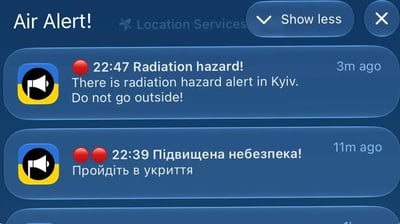
Millions of mobile phone screens flashed with terrifying warnings in both Ukraine and Russia as unknown computer hackers breached state emergency notification systems. Citizens who depend on government software to run to bomb shelters during air strikes received sudden fake notices warning of incoming nuclear danger and false drone threats. The wave of digital chaos hit right as a brief pause in fighting collapsed, showing that the conflict has quickly spread into the electronic space that controls ordinary civilian safety.
The trouble began when citizens across Ukraine checked their official air raid alert mobile software. Instead of normal alarm sirens that warn of incoming enemy planes or cruise missiles, the phone software started pushing alarming messages claiming that dangerous radiation clouds were spreading across nearby areas. Ukrainian air force officials moved quickly to calm public fears, issuing public notices to state that the air alarm system had been hacked by hostile digital agents and that there was zero radiation danger. Officials in Kyiv pointed fingers directly at Russian digital units for trying to spark panic among everyday families.
Only a few hours later, an almost identical digital breakdown hit emergency networks inside Russia. The Russian emergencies ministry announced that its public safety notification application was under a massive computer attack from outside hackers. The app, which warns Russian residents about approaching drones, fired off false alerts and incorrect civil defense notices. Russian technical units worked urgently through the morning to shut down unauthorized access points and scrub fake announcements from user phones, although Moscow did not immediately name who it believed carried out the strike.
The digital disruption arrived immediately after the end of the longest ceasefire agreement seen throughout the conflict. The temporary stop in combat had been strictly limited to the eastern Kherson region. The arrangement concluded on November 1, 2026, after Russian authorities refused a proposal to prolong the break in combat, according to government statements from Kyiv. The rare pause had allowed humanitarian teams to reach local residents who were trapped in isolated river zones without food or medicine.
Human rights officials and international observers had viewed the brief pause as a rare sign of hope. The temporary stop had been arranged through international diplomatic help, creating a corridor for emergency teams to deliver relief packages to people living in heavily damaged settlements. However, the moment the agreed clock expired without a renewal, heavy tensions instantly returned to the frontline, and digital attacks took place almost immediately.
Military observers on the ground noted that the pause had been fragile from the start. Ukrainian frontline officers reported that Russian forces used the break in fighting to move fresh ammunition, position heavy equipment, and fly reconnaissance drones over defensive positions. The end of the pause left soldiers and civilians expecting an immediate surge in artillery exchanges, ground attacks, and drone raids along the southern riverfront.
At the same time, arguments over infrastructure strikes continue to heat up between Washington and Kyiv. Ukrainian President Volodymyr Zelenskyy noted that his military would be willing to stop targeting Russian oil facilities only if American partners deliver advanced Patriot air defense interceptors to shield Ukrainian power stations from winter strikes. Ukrainian forces have launched regular long range drone attacks against Russian fuel depots to cut off supplies to enemy armor and to hit back against strikes on their own power plants.
The hacking of life saving telephone applications creates deep safety worries for normal families. In areas where air sirens sound multiple times every single day, people rely on phone notifications to wake up at night and hurry to underground subway stations or basements. When hackers inject false alarms about atomic clouds or fake drone swarms, citizens lose trust in the very warning systems meant to protect them. Security experts point out that if people stop taking phone alerts seriously, real missile attacks could catch entire neighborhoods unprepared.
Cyber warfare experts stress that digital attacks on basic public utilities and phone applications have turned into standard tools of modern warfare. Instead of only striking military communications, hackers target everyday civic systems to wear down public morale and cause confusion. As high level peace talks are scheduled to resume later in the month, the fast breakdown of both physical and digital peace shows that ending the conflict remains a tough and uncertain goal.