
US voters head to polls in crunch midterm elections to decide future of Donald Trump presidency and control of Congress
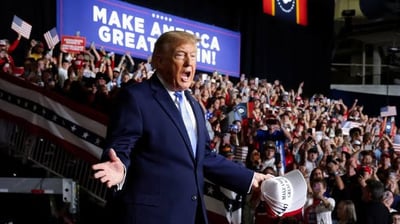
Voters across the United States are walking into schools, libraries, community centers, and local fire stations from early morning hours to cast their ballots in high stakes nationwide elections. The mood across polling stations is tense and focused, with citizens standing in long queues before sunrise to ensure their voices are counted. While local officials run the booths and hand out paper slips, the broader battle carries deep national importance. The outcome will decide which political party controls the two houses of national parliament and set the political rules for the final years of the executive administration.
The election serves as a massive direct test of public approval for the sitting leader and current government actions. In traditional American political life, elections held halfway through a presidential term often become a national report card on the party holding the executive mansion. When daily grocery bills rise, fuel costs pinch household budgets, or social policies cause friction, voters frequently use their votes to send a sharp warning signal to Washington. Both main political groups have poured record amounts of money and effort into television advertisements, online notices, and door to door visits to convince ordinary families to turn out.
The fight for the lower chamber, known as the House of Representatives, is running on razor thin margins across dozens of suburban districts. Opposition leaders are pushing hard to flip seats held by the ruling party in key areas such as Florida and Virginia, where early counting is expected to show the direction of the national mood. If the opposition wins the majority, it will secure the legal power to block government spending bills, launch public inquiries into executive departments, and hold up major tax and economic plans. For the current administration, losing the lower house would mean spending the next two years fighting endless budget debates instead of passing new laws.
The race for the upper chamber, the Senate, is just as tight and carries massive long term consequences for the nation. Lawmakers in the Senate hold the exclusive power to approve high court judges, cabinet ministers, and international treaties. A tiny handful of states, including Ohio, Iowa, Texas, and Alaska, are seeing fierce neck and neck battles that could swing total balance by just one or two seats. Retaining the chamber is vital for the White House to keep appointing friendly federal judges, while an opposition takeover would effectively freeze all executive appointments and give critics a solid wall to stop White House nominations.
Economic security remains the primary worry keeping ordinary working citizens awake at night. Many voters arriving at ballot boxes say their primary concern is the monthly household budget, rising grocery prices, and high interest rates on home loans. Supporters of the ruling party point out steady overall employment numbers and efforts to protect domestic industries. On the other side, opposition candidates argue that working families are being crushed by daily living expenses and that current government plans have failed to provide relief to lower income households.
Turnout patterns among key demographic groups are expected to decide the final winners in close battleground areas. Election analysts are watching closely to see whether young people, working class families, and minority communities show up in large numbers. Early voting figures showed tens of millions of ballots cast by post and in person drop boxes before Tuesday, signaling high public interest across the country. Both political camps know that victory will not go to the side with the loudest rallies, but to the party that actually gets everyday people off their couches and into voting booths.
Security and legal scrutiny surrounding the vote count have reached exceptionally high levels. Federal agencies and state election offices have deployed extra observers and monitor teams to prevent disputes and watch over ballot storage areas. Election workers in several large swing states have cautioned the public that counting mail ballots and processing paper sheets will take time. In very close contests, final declarations could take several days, raising the likelihood of legal challenges over ballot rules and voter verification in state courts.
The global impact of this election outcome stretches far beyond American borders. World leaders, foreign trade partners, and international security groups are monitoring the results with intense interest. A divided legislature in Washington could bring rapid shifts to overseas development funding, international defense commitments, and trade policies with major economies. An opposition controlled Congress would immediately place sharp limits on executive foreign actions and demand stricter scrutiny over how money is spent abroad.
The results of these midterm elections will also set the starting line for the next presidential race. A strong showing by the ruling party will solidify the authority of the current leader and prove that the party base remains loyal and united. On the other hand, heavy losses will open the door for sharp internal debate within both parties, sparking early leadership fights and encouraging fresh political voices to step forward for national leadership.