
Delhi Riots Case Court Rejects Bail For Umar Khalid And Sharjeel Imam
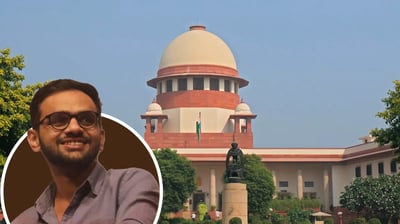
The legal battle surrounding the 2020 northeast Delhi riots took another major turn on July 4, 2026, as a Delhi court dismissed the fresh bail pleas of activists Umar Khalid and Sharjeel Imam. Additional Sessions Judge Sameer Bajpai of the Karkardooma Courts pronounced the order, declaring that the fresh applications were not maintainable. The court made it clear that its hands were tied by a previous Supreme Court ruling from January 5, 2026, which laid down strict timelines for when the duo could request bail again. According to that apex court order, the accused are only permitted to file fresh petitions after all protected witnesses have been thoroughly examined by the prosecution or after a full year has passed from the date of the order. Since neither condition has been met yet, the trial court rejected the applications, maintaining the status quo of their ongoing imprisonment.
The defense team put forward strong arguments centered on the concept of personal liberty and the slow pace of the legal system. They highlighted that both individuals have been languishing behind bars for nearly 6 years without the actual trial making any significant progress. The defense lawyers pointed out that even after 6 months since the top court last rejected their bail, the basic arguments regarding the framing of charges remain incomplete. They also cited a later Supreme Court ruling from May 18, 2026, which criticized the strict approach to anti-terror detentions and reiterated that bail should remain the rule while jail remains the exception. This legal paradox shows a deeper systematic issue where individuals are subjected to prolonged pre-trial detention, raising serious questions about the right to a speedy trial when stringent anti-terror laws like the Unlawful Activities Prevention Act are applied.
On the other side of the courtroom, the prosecution successfully argued that there was no substantial change in circumstances to justify a deviation from the orders issued by the highest court of the land. Special Public Prosecutor Madhukar Pandey argued that Umar Khalid and Sharjeel Imam occupy a much higher position in the hierarchy of the alleged conspiracy compared to other co-accused individuals who were granted relief earlier this year. The prosecution maintains that the 2020 violence, which resulted in 53 deaths and over 700 injuries during the protests against the Citizenship Amendment Act, was a deeply premeditated and well-orchestrated conspiracy to defame the government. From a strict legal standpoint, the trial court acted within its jurisdictional boundaries by respecting judicial discipline. However, keeping individuals imprisoned for over half a decade without formal charges being finalized puts a spotlight on how easily security laws can overlap with the denial of basic constitutional liberties.
Ultimately, this development keeps the focus firmly on the slow-moving wheels of justice in high-profile conspiracy cases. While 5 other co-accused individuals including Gulfisha Fatima and Meeran Haider secured conditional relief in January, Umar Khalid and Sharjeel Imam remain isolated due to the specific roles attributed to them by investigative agencies. The defense tried to leverage recent judicial trends that frown upon indefinite detention, but the rigid procedural boundaries established by the January 5 order proved insurmountable at this stage. With the trial court declaring the applications not maintainable, the legal teams will now have to wait for the expiration of the 1-year window or look toward a larger bench of the Supreme Court to address the gridlock. This situation leaves the accused waiting in custody, underscoring the ongoing tension between national security concerns and the fundamental right to personal freedom.