
Delivery Workers Find Purpose During Delhi CJP Protest On July 22 2026
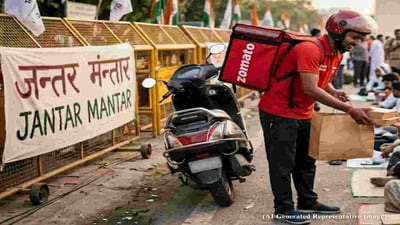
On July 22 2026 streets near Jantar Mantar in Delhi witnessed a remarkable display of human connection. As security arrangements led to the closure of 16 metro stations, delivery agents on two wheelers filled Janpath, carrying hot meals sent by strangers from hundreds of kilometers away. These delivery riders were not just fulfilling routine gig work orders. They became quiet messengers of solidarity during the Cockroach Janta Party protest against educational exam leaks. Orders arrived from cities like Mumbai, Hyderabad, and even international locations in Canada and the United States. Many messages attached to the orders asked riders to give food to anyone who appeared hungry. For delivery workers navigating heavy traffic and police barricades, carrying these meals transformed an ordinary workday into a meaningful act of public service.
The human stories behind these deliveries highlight a deep emotional bond across distances. A 38 year old Swiggy agent named Virendra shared how a customer from Hyderabad called him directly, asking him to eat lunch from the ordered package and stay safe while making deliveries. He had completed 5 trips covering distances over 8 kilometers from Laxmi Nagar and Karkardooma to reach Jantar Mantar. Another 20 year old Zomato worker named Roshan recalled feeling nervous during his first trip after being warned about safety risks. However, upon seeing the orderly crowd of students and citizens, he felt reassured. He mentioned that doing this job at the site felt right, even if he did not fully understand all political nuances of the agitation. A 27 year old rider named Mausam Shah from Bihar reflected on his own educational background, expressing that watching young students fight for fair examinations made him realize the value of educational opportunities he missed earlier.
This outpouring of food deliveries created unprecedented challenges for ground coordination. By late evening on July 21 2026 and continuing into July 22 2026, delivery agents brought thousands of boxes containing pizzas, burgers, samosas, momos, and hot tea. A single order placed by one supporter included 80 pizzas, prompting delivery store managers to step out on foot to assist riders. Volunteers like Ayush Rai worked continuously at key intersections to transport food boxes past security checkpoints. However, the sheer volume of incoming food eventually exceeded what protestors could consume. Recognizing that food might spoil, protest organizers released a public statement on social media thanking citizens for their extraordinary generosity while asking them to stop sending further meals for the day. This unexpected situation showed how digital platforms allowed distant citizens to participate actively in a physical movement.
The incident also brings attention to the working conditions of gig economy workers in major Indian cities. Only a few months prior to this event, food delivery agents had staged their own nationwide protests over declining base fees, long working hours, and high fuel costs. Riders had seen their base fees reduced from 50 rupees down to 20 rupees per order, leaving them with minimal daily earnings of around 150 rupees. Yet, during this movement, many riders spent up to 1 hour delivering a single 20 rupee order into crowded protest areas without complaint. Standing in front of police barricades and heavy traffic, these gig workers experienced a temporary shift from being invisible service providers to being recognized as essential pillars of community support. Their willingness to navigate difficult logistics reflects a growing understanding that everyday labor forms the backbone of civil society during moments of widespread social expression.
This widespread participation by ordinary citizens and delivery agents reflects evolving dynamics in public movements. When political and social demonstrations encounter physical restrictions or media silence, digital technology enables citizens to show support through direct micro actions. Sending a simple meal through a smartphone application allows people from distant states like Bihar or Maharashtra to express empathy without physically being present. At the same time, the experience provided delivery workers with an unexpected sense of dignity and shared belonging. By carrying meals through rain, traffic, and security checkpoints on July 22 2026, these gig workers helped bridge the gap between digital support and real world action, proving that small acts of kindness can transform routine labor into a powerful expression of unity.