
Donald Trump Says United States Took Giant Step Back in History After Severe Midterm Election Defeat
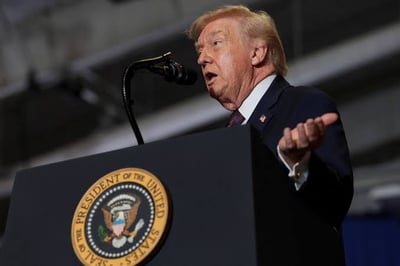
Former President Donald Trump has issued a sharp assessment of the recent midterm election outcome, declaring that the United States took a giant step back in history following widespread defeats for the Republican Party. The political landscape in Washington experienced a dramatic realignment after the Democratic Party secured decisive majorities in both the Senate and the House of Representatives. The electoral wave overturned Republican control in legislative districts and state-level bastions that the party had dominated for decades, marking one of the most consequential midterm rebukes in recent political memory.
The nationwide vote delivered a severe blow to the Republican leadership, transforming Capitol Hill and introducing immediate gridlock for conservative policy initiatives. With Democrats capturing control of both chambers of Congress, legislative power has shifted toward committee chairs who have pledged intensified oversight, scrutiny of executive decisions, and legislative resistance against key conservative priorities. For Trump, who actively campaigned for endorsed candidates and framed the elections as a referendum on national leadership, the widespread losses represent a major political and strategic disruption.
Electoral returns revealed significant shifts in voter behavior across traditional battlegrounds and historical conservative strongholds. High turnout among suburban voters, younger demographics, and independent moderates played a decisive role in flipping closely watched seats that had been held by Republicans for several generations. Economic anxieties, concerns over public governance, and deep polarization across key states drove voters to cast ballots against incumbent conservative lawmakers, redrawing the nation's political map.
Reacting to the sweeping outcome, Trump expressed frustration over the loss of legislative authority, warning that the Democratic takeover of Congress would derail policy momentum and reverse economic gains. His remarks characterizing the results as a historic regression reflect deep concern within conservative circles regarding the immediate future of judicial confirmations, federal spending bills, and regulatory rollbacks. The outcome has also sparked intense debate among Republican strategists over candidate selection, campaign messaging, and the broader appeal of party platforms in competitive districts.
Democratic party leaders celebrated the dual-chamber victory as a mandate from the American electorate to check executive power and focus on public welfare priorities. With majorities secured across both the House and the Senate, incoming legislative leaders are preparing to advance bills focused on consumer protections, environmental safeguards, healthcare affordability, and voting access, while setting up formidable legislative roadblocks against conservative proposals.
The sweeping congressional flip introduces profound domestic and foreign policy consequences as Washington adjusts to divided governance. In the international arena, international partners and adversaries are recalculating their diplomatic engagement strategies, knowing that any major trade compacts, defense spending appropriations, or foreign assistance packages must now pass through a Democrat-controlled Congress. As the newly elected lawmakers prepare to assume office, the seismic midterm results signal a contentious chapter in national politics, leaving the Republican Party to navigate a fundamentally altered balance of power.