
Saudi Aramco Facility in Riyadh Damaged in Attempted Strike as Shrapnel Hits Capital Complex
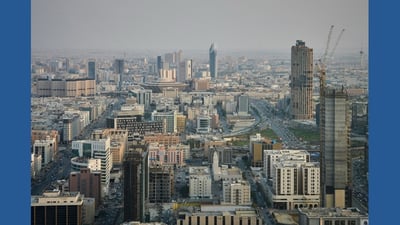
A major energy infrastructure facility owned by state oil company Saudi Aramco in Riyadh has suffered damage following an attempted attack targeting the capital city. The Kingdom of Saudi Arabia's Energy Ministry stated that an administrative building located in the metropolitan area was impacted by falling debris and shrapnel following defensive interception operations carried out by royal air defense forces. The incident has renewed security concerns surrounding energy security, commercial infrastructure safety, and regional stability across the Arabian Peninsula.
According to official briefings provided by government authorities, air defense systems detected incoming airborne threats heading toward urban sectors of Riyadh. Patriot missile batteries and surface-to-air interceptors engaged the targets high above city skies, detonating the incoming projectiles before they could strike their intended destinations. However, large metallic remnants and burning shrapnel fragments rained down across surrounding commercial zones, striking an exterior wing and the perimeter structures of the Aramco corporate compound.
Emergency civil defense teams, municipal police, and internal security personnel mobilized rapidly to secure the impact zone, inspect the structural integrity of the impacted facility, and cordon off adjacent roads. The Ministry of Energy confirmed that the strike attempt caused no disruptions to regular hydrocarbon production, refinery operations, or international petroleum deliveries. Crucially, initial assessments reported no casualties or major injuries among office staff, technical workers, or civilian bystanders in the vicinity.
The targeted incident comes amidst elevated geopolitical frictions in the region, where critical infrastructure and state corporate hubs have repeatedly faced threats from long-range drones and cruise missiles. Military analysts noted that attempts to strike corporate facilities within the capital underscore the ongoing asymmetric warfare tactics employed by regional adversaries aimed at destabilizing energy markets and undermining investor confidence. State authorities reiterated their readiness to safeguard national territorial integrity and deter any hostile actions directed at economic and civilian installations.