
Opposition Coalition Dilemma as Gadi Eisenkot Tries to Form Next Israel Government or Will Netanyahu Play the Biggest Game
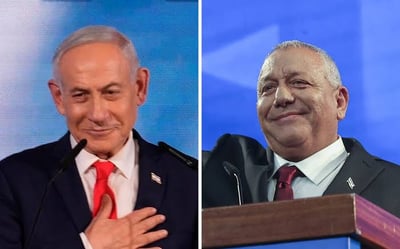
Israel's political sphere has entered a turbulent phase of high-stakes coalition arithmetic after former Israel Defense Forces Chief of Staff Gadi Eisenkot was officially tasked with the first opportunity to build a governing coalition. The mandate follows another fiercely contested and inconclusive general election that highlighted deep polarization within the electorate and produced a severely fractured Knesset. While receiving the primary mandate provides Eisenkot with formal momentum, building a functioning majority of at least sixty-one seats presents a profound political dilemma given the sharp ideological rivalries dividing anti-Netanyahu factions.
Eisenkot, widely respected across centrist and moderate camps for his steady military leadership and composed demeanor, faces the uphill task of bridging irreconcilable demands between right-wing secularists, centrist liberals, left-wing parties, and Arab political factions. Each bloc holds conflicting stances on judicial reform, defense priorities, religious exemptions for ultra-Orthodox conscription, and the governance of Judea and Samaria. Forging a binding coalition agreement among partners whose only common denominator is opposition to Benjamin Netanyahu has historically proven fragile and short-lived in Israeli parliamentary history.
Looming large over the entire negotiation window is Benjamin Netanyahu himself, a master tactician who has survived countless political crises and coalition impasses. Political observers note that while Netanyahu currently sits without an immediate majority bloc, he is well positioned to play the biggest political game on the board. The Likud leader is widely expected to deploy sophisticated delaying tactics, exploit policy contradictions within Eisenkot's tentative alliance, and aggressively court right-wing defectors away from the opposition bloc to prevent any stable alternative government from taking the oath of office.
If Eisenkot fails to secure sixty-one signatures before his legal mandate expires, the presidential mandate will shift, opening the door for Netanyahu to orchestrate a dramatic return to power or push the nation into yet another round of snap elections. With regional security tensions remaining critical and economic pressures growing, the coming weeks will determine whether Eisenkot can reconcile internal opposition fractures or if Netanyahu will outmaneuver his rivals once again to retain ultimate executive dominance in Jerusalem.