
Dushyant Gautam Sikkim Governor Oath Opposed By Sikkim Bar Association Over Ankita Bhandari Murder And Sex Service Demands Row
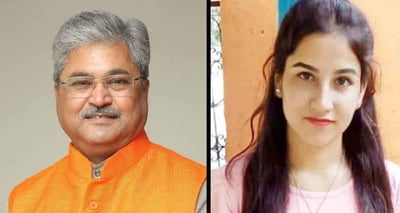
A massive legal and constitutional controversy has erupted in Sikkim as the state legal fraternity formally stepped forward to oppose the entry of the new head of Raj Bhavan. The Sikkim Bar Association, representing advocates practicing in the High Court and subordinate courts across the state, submitted an urgent formal appeal demanding that the official oath ceremony of Dushyant Kumar Gautam be immediately postponed. The legal body warned that proceeding with the ceremony while serious criminal questions remain unanswered has triggered deep unease, unrest, and widespread doubts among the people of Sikkim.
The central reason behind this strong opposition from the lawyers is the unresolved connection of Gautam's name to the horrific murder of Ankita Bhandari. Nineteen year old Ankita was working as a receptionist at the Vanantra Resort in Uttarakhand when she was pressured to provide sexual services to an influential person staying at the property. When the young woman stood firm and refused to obey the illegal demands, she was killed and thrown into a canal. While the resort owner and his staff received life sentences from trial courts, the identity of the powerful guest mentioned in the case has continued to haunt public memory and investigative discussions.
The controversy gained renewed intensity after social media claims, audio tapes, and political accusations directly brought Gautam into the spotlight as the alleged guest linked to the resort pressure. The parents of the victim woman have held public rallies and protests at India Gate, openly naming the political leader and demanding that no constitutional post be awarded to him until central investigative agencies provide a clean chit. The victim's mother broke down during street protests, pleading with the central government to deliver justice for her daughter rather than granting high public honors to controversial figures.
In its formal representation addressed directly to President of India Droupadi Murmu, the Sikkim Bar Association clearly outlined why the appointment poses a grave danger to institutional trust. The association stated that it was not sitting in judgment of anyone's personal guilt, which belongs strictly to the courts. However, the legal body underlined that Gautam's name has repeatedly surfaced in nationwide controversy surrounding the murder case. The lawyers stated that allowing an individual to assume the highest constitutional office of a state while such serious questions remain hanging in the air deeply undermines public trust in democratic bodies.
A major legal concern highlighted by the legal community revolves around constitutional immunity. Under Article 361 of the Constitution of India, any person holding the chair of Governor is completely protected from criminal proceedings and court arrest for the entire duration of their term. The Bar Association pointed out that once an individual takes the oath of Governor, that legal protection takes effect immediately. This immunity creates an impossible situation for independent investigation and gives rise to serious public suspicion that high political office is being utilized to keep an individual far out of reach from law enforcement agencies.
The Bar Association forwarded copies of its urgent plea to the Prime Minister, the Union Home Minister, the Chief Minister of Sikkim, and the Chief Secretary, demanding that the appointment warrant be kept on hold until independent agencies resolve all allegations. The lawyers argued that the people of Sikkim take great pride in their peaceful social fabric and their deep respect for the rule of law. Bringing a controversial figure into the highest state office without clearing the dark cloud over his name hurts the collective dignity and moral standing of the entire state.
Despite the urgent legal representation sent by the Bar Association and intense street demonstrations held by local student unions, the official swearing in ceremony went ahead inside the state house. Chief Justice of the Sikkim High Court Justice A Muhamed Mustaque administered the oath of office to Gautam, with the Chief Minister and top administrative officers present at the function. The formal conduct of the oath, however, did not soothe the growing anger outside the official venue, where youth groups and ordinary citizens questioned the hurry shown by the authorities.
The central leadership of the ruling party had previously pushed forward with the appointment as a calculated political gamble, standing firmly by a veteran party office bearer and rejecting all charges as politically driven defamation. Gautam himself had filed court cases to stop the spread of defamatory videos and online material against him. Yet, the opposition from the legal fraternity has fundamentally shifted the tone of the dispute from an everyday political disagreement into a serious constitutional debate over ethics, state dignity, and judicial integrity.
The legal fraternity's move has brought fresh momentum to the protests organized by student bodies across Sikkim. College student leaders declared that having the Bar Association speak out on this matter validates the real public alarm felt across the state. They warned that holding the official ceremony does not put an end to the controversy, because constitutional chairs can only function properly when they command genuine respect from the citizens they serve.
With legal professionals taking a firm stand, student organizations marching in the streets, and a grieving family demanding accountability in national public squares, the pressure surrounding the appointment continues to escalate. Independent observers state that the central government now faces difficult questions about why warnings from the state bar and civil society were pushed aside, leaving the highest office in Sikkim entangled in an unprecedented moral and legal crisis.