
Dushyant Gautam Sworn In As Sikkim Governor Triggering Strong Backlash Over Ankita Bhandari Murder Allegations And Sex Service Claims
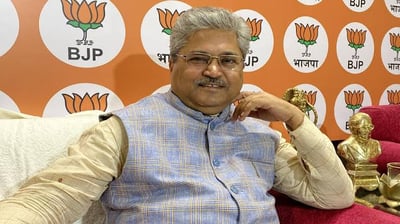
A major political controversy has reached Gangtok as senior political leader Dushyant Kumar Gautam formally took the oath of office as the nineteenth Governor of Sikkim. The swearing in ceremony went ahead inside the state Raj Bhavan even as serious public anger brewed on the streets and across online platforms. High state officials, cabinet ministers, and senior judges attended the formal gathering to witness the official appointment. Yet, outside the gates of the government house, the development has created deep public discomfort among local youth bodies, civil rights workers, and citizens who believe that high constitutional positions demand moral clarity above all else.
Chief Justice of the Sikkim High Court Justice A Muhamed Mustaque administered the official oath of office and secrecy to Gautam. State Chief Minister Prem Singh Tamang was present at the event and welcomed the new constitutional head with a traditional scarf, introducing him to local elected representatives and government leaders. The ceremonial guard of honor was presented in standard fashion by the state armed police to mark the new administration taking charge. However, the formal dignity of the event stood in sharp contrast to the heated debate taking place nationwide over the decision to give Gautam this post.
The core issue causing nationwide anger is the alleged link between Gautam and the heartbreaking murder of nineteen year old Ankita Bhandari. The young woman worked as a receptionist at the Vanantra Resort near Rishikesh in Uttarakhand when she went missing and was later found dead inside a canal. Investigators found that she was pressured by the resort owner and his staff to provide special sexual services to a high profile visiting person. When the young woman firmly refused to compromise her dignity, she was killed. Court proceedings resulted in life imprisonment for the resort owner, who is the son of a former party politician, along with two of his associates.
Even though the primary culprits were sent behind bars, the identity of the powerful guest mentioned in the case remained an unsettled question for the public. The parents of the victim woman have repeatedly come out in public rallies, sit ins, and media interviews, stating that their daughter lost her life because she stood up to pressure from influential visitors. In recent months, public statements, social media claims, and political accusations directly brought Gautam into the center of the dispute, alleging that he was the person linked to the resort visit and the pressure for illegal services.
Gautam has strongly denied these charges on multiple public platforms, calling them baseless, malicious, and designed to ruin his long political record. He has taken legal action through the courts to stop people from sharing defamatory statements against his name. However, the parents of Ankita Bhandari have refused to stay quiet. Just days before the official ceremony in Gangtok, the victim's mother and father organized demonstrations in the national capital, demanding that no constitutional rewards be given to any leader whose name is tangled in their daughter's murder until a full and independent investigation gives a final verdict.
Despite these emotional protests from the grieving parents, the central leadership of the Bharatiya Janata Party moved forward with the appointment. The decision to place Gautam in Raj Bhavan represents a clear political risk taken by the ruling party. Gautam has spent several decades as a loyal party functionary, having worked as a national general secretary and a prominent representative for backward communities. By naming him to the gubernatorial chair, party leaders sought to show their cadres that the organization stands behind its trusted workers and will not let unproven allegations derail their public careers.
At the same time, opposition parties and independent legal observers argue that the move serves a practical legal purpose for the leader. Under Article 361 of the Constitution of India, a sitting Governor enjoys complete immunity from criminal proceedings and court arrest as long as they hold the constitutional chair. Critics claim that the central government effectively used this constitutional shield to protect Gautam from possible legal summons, police inquiries, or investigative pressure. By shifting him from the political battlegrounds of northern India to the quiet hill state of Sikkim, the party also attempted to lower the political heat surrounding the incident.
The political gamble has not gone down smoothly on the ground in Sikkim. Student unions, youth organizations, and regional college groups have come out onto the roads, warning that they will not remain silent while their state is treated as a safe haven for controversial political figures. Protesting youths held banners stating that the Governor is the moral custodian of the state and that appointing a leader facing pending questions over a young woman's death hurts the self respect of the Sikkimese people. They called on the central government to listen to the public and reconsider the move.
The controversy has also opened a fresh political battlefield in other parts of the country. Mainstream opposition parties have announced plans to intensify demonstrations, including holding rallies in Uttarakhand and demanding answers from the central home ministry regarding why investigative agencies have remained silent on the claims made by the victim family. Protesters in New Delhi and Dehradun have pointed out the double standards of government agencies, questioning why family members asking for justice face police detentions while individuals under question receive high constitutional honors.
The official oath may have been administered in Gangtok, but the dispute surrounding the appointment is far from settled. The youth of Sikkim have declared that they will continue to write formal memorandums to the President of India and coordinate peaceful demonstrations with civil society groups. With the parents of the victim continuing their struggle for justice and student voices growing louder across the hills, the central government faces mounting pressure to address the serious ethical questions hanging over Raj Bhavan.