
Dushyant Gautam Sikkim Governor Post Triggers Student Protests Over Sex Service Allegations And Murder Of Ankita Bhandari As BJP Takes Political Risk
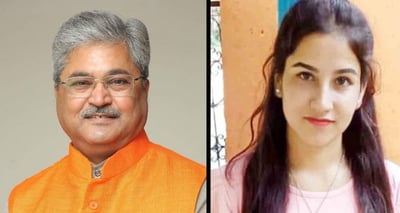
Students across colleges and universities in Sikkim have taken to the streets in large numbers to oppose the arrival of their newly appointed constitutional head. Carrying placards, marching through town roads, and shouting slogans, the young demonstrators made it clear that they refuse to accept an official facing serious criminal claims as the leader of Raj Bhavan. The protest movement quickly caught public attention across the state, bringing together student unions, youth clubs, and citizens who believe that the highest constitutional seat in Sikkim must not be given to someone clouded by controversy.
The anger centers directly on Dushyant Gautam, who has been named the Governor of Sikkim. Student leaders and youth activists have highlighted his alleged connection to the tragic murder of Ankita Bhandari, a young nineteen year old receptionist who was killed at a resort in Uttarakhand after refusing to provide sexual services to a high profile guest. The victim family and opposition voices have repeatedly raised allegations connecting Gautam to that incident, demanding a full inquiry to uncover the truth. Protesters in Sikkim maintain that placing a person linked to such disturbing charges into a top state position hurts the dignity of the local people.
The incident that sparked this public anger dates back to Uttarakhand, where Ankita Bhandari worked at the Vanantra Resort. According to investigators and statements from the victim family, the young woman was pressured by the resort owner and staff to offer extra sexual services to an influential person visiting the property. When she bravely resisted their demands, she was killed and thrown into a canal. While court trials convicted the resort owner and his staff, the identity of the very important person mentioned in the case files remained a subject of intense public debate and unanswered questions.
The controversy deepened after social media claims and political accusations directly named Dushyant Gautam in connection with the guest role. Gautam strongly rejected every single accusation, calling the claims completely baseless and politically motivated, and even approached the court to restrain people from circulating defamatory material against him. However, the parents of Ankita Bhandari have continued their fight, holding public demonstrations and demanding that investigators clear every doubt before any rewards or high public positions are handed out.
The central leadership of the Bharatiya Janata Party took a calculated risk by giving Gautam this prestigious post despite knowing the sensitivity of the case. Political analysts point out several reasons why the ruling party chose to go ahead with this bold move. Gautam has been a loyal, senior party worker and national office bearer from a Dalit background, representing an important political voice for the party organization. The leadership wanted to send a firm signal to its workers that the party stands by its loyal members and will not bow down to unproven accusations raised by opponents.
At the same time, opposition leaders claim the appointment carries a different motivation. They allege that by moving Gautam into a gubernatorial post, the central government has effectively given him constitutional protection and legal immunity. Under the Indian Constitution, a sitting Governor enjoys protection from criminal prosecution while in office. Critics argue that the ruling party wanted to shield a senior colleague from investigative pressure and keep the ongoing controversy far away from mainstream mainland politics by placing him in a quiet northeastern state.
This political gamble by the party has now backfired on the ground in Sikkim. Protesting students have made it clear that their home is not a dumping ground for leaders facing heavy public scrutiny. Student leaders stated during their rallies that the office of the Governor is meant to be a symbol of moral integrity, justice, and fair leadership. They argued that when an appointee arrives under the dark shadow of a young woman's murder, the entire moral standing of Raj Bhavan gets damaged in the eyes of citizens.
The students have addressed their appeal directly to the President of India and the central home ministry, urging them to halt the appointment until an independent probe is fully completed. The demonstrators stressed that they are not speaking on behalf of any political faction, but are standing up as responsible young citizens who care deeply about womens safety, clean public life, and the rule of law. They pointed out that a government that talks about protecting daughters must show genuine sensitivity to the cries of a grieving family seeking truth and justice.
Local citizens, shop owners, and community elders in the state capital have also shown sympathy toward the protesting youth. Many residents expressed surprise that the central government chose to push forward with the appointment despite the known outrage in northern India. People in Sikkim take pride in their peaceful society and respect for women, and the news linking their state head to such shocking claims has triggered deep unease across living rooms and university campuses alike.
The student organizations have warned that they will not let the matter rest quietly if their voices are brushed aside. They plan to hold bigger campus meetings, send signed petitions to central leaders, and reach out to civil society groups across other states to demand accountability. For now, the pressure is on the central government, which must decide whether to stand by its controversial choice or listen to the growing calls from the youth of the state.