
Elon Musk Massive Campaign Spending Fails to Secure Texas for Republicans as Midterm Elections Deliver Stunning Result
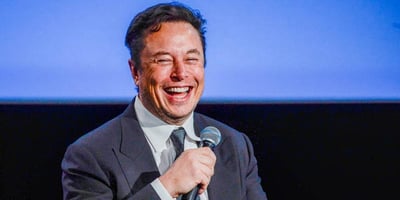
Billionaire business tycoon Elon Musk has suffered an enormous political setback after pouring tens of millions of dollars into high-profile campaigns that ultimately failed to deliver victory for conservative candidates in Texas. The massive spending drive, designed to turn the state into an impenetrable stronghold, fell apart as voters delivered surprise breakthroughs across key legislative and regional contests. Despite blanket advertisements on television, continuous promotion across online platforms, and well-funded ground teams knocking on doors, ordinary citizens chose a completely different path, showing that deep pockets alone cannot guarantee success on voting day.
The story behind this high-stakes campaign began when the tech billionaire relocated his primary business headquarters, electric vehicle manufacturing plants, and space rocket operations to Texas. Over recent years, the world’s wealthiest entrepreneur immersed himself directly into state and national politics, styling himself as an outspoken champion of conservative values. Through his independent political committee, he poured unprecedented personal wealth into building an election machine, funding sophisticated voter outreach drives, and deploying hundreds of paid field canvassers to protect conservative seats from aggressive challenges.
Texas has stood for three decades as the ultimate fortress of conservative power in American politics. No opposition candidate had managed to win a statewide office since the middle of the nineteen nineties. National strategists long believed that keeping the state firmly red was essential for holding national authority. However, rapid demographic growth and changing economic conditions have brought sweeping changes across major metropolitan centers. Cities like Houston, Dallas, Austin, and San Antonio have seen huge influxes of younger residents, technology professionals, and diverse working families who hold very different priorities than the traditional party base.
As the midterm election unfolded, the race turned into a fierce contest between massive financial resources and grassroots community organizing. Campaign teams backed by the billionaire ran nonstop advertisements framing their opponents as extreme and out of touch. Millions of campaign flyers flooded local mailboxes, and digital promotional spots dominated mobile phone feeds. Yet, many local voters felt that this aggressive marketing push was disconnected from their everyday realities, viewing the blitz as an attempt by an ultra-wealthy celebrity to dictate local governance rather than an effort to address genuine community needs.
The winning opposition strategy focused directly on bread-and-butter household struggles that touch the lives of regular working people every single day. Candidates walked through neighborhood streets talking about practical challenges such as unstable electricity grids, skyrocketing property tax bills, rising grocery costs, and overcrowded public school classrooms. Rather than engaging in national culture battles or bitter social media arguments, the challengers listened to the frustrations of families who had survived prolonged power blackouts during extreme winter freezes and scorching summer heatwaves, demanding reliable public utilities and honest government oversight.
Turnout numbers revealed that the billionaire’s expensive mobilization drive triggered an unintended reaction, producing a historic surge among suburban women, college students, and working-class minority voters. Neighborhoods surrounding major urban hubs that used to lean conservative swung decisively to the other side. Many independent voters, including long-time suburban residents, expressed clear fatigue with constant online controversies, political hostility, and heavy-handed corporate influence over local elections. They showed up at local polling booths in record numbers to cast their ballots for moderate, community-centered alternatives.
The defeat delivers a sharp blow to the tech leader’s rising political ambitions. In recent times, the billionaire has attempted to transform himself from an industrial titan into a dominant political kingmaker, using his social media company and private fortune to influence state policies and national party direction. Failing to deliver decisive results in his own adopted home state exposes the real limitations of relying on paid canvassers and online messaging when local voters feel overlooked by wealthy political benefactors.
The election outcome carries huge consequences for national governance as well. The unexpected loss of critical districts in Texas weakened the national party’s attempt to establish a commanding grip over the national legislature. National party strategists had counted on the state to deliver a solid wall of seats to offset losses in other parts of the country. With that wall cracking, the balance of power in Washington has shifted, forcing national leaders to rethink their political playbook and reconsider whether tying their brand closely to controversial billionaires is truly helping them win over average citizens.
For everyday residents across the state, the election results mark the beginning of a fresh chapter in local politics. For years, many ordinary families felt their votes had little impact in a state where one party held absolute sway for generations. The surprising midterm outcome has revived public enthusiasm for democratic participation, proving to neighbors, community workers, and local organizers that collective grassroots energy can overcome even the biggest corporate wallets.
The lessons from the Texas midterms will be studied closely by political campaigns across the world. While money remains an essential tool to hire staff and print posters, the ballot box still belongs to everyday people. When voters step behind the curtain, they make choices based on their families, their budgets, and the future of their communities. The failure of millions of dollars to secure Texas serves as a powerful reminder that genuine public trust must be earned through dedicated service, not simply purchased at the market.