
Iran Ayatollah Khamenei Issues Warning To Iranians and Threatens Wider Middle East War as Democrats Sweep US Midterms
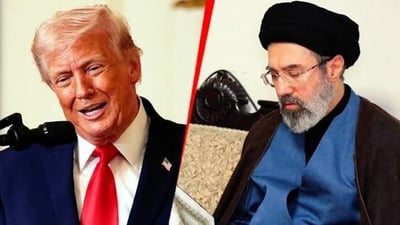
Iran Supreme Leader Ayatollah Ali Khamenei has issued a direct public warning to his nation, cautioning citizens against placing false hope in American political shifts after the Democratic Party scored sweeping wins in the United States midterm elections. Speaking directly to the public through state broadcast channels, the country top authority addressed the mood across the capital following major election upsets in Washington. Alongside his domestic advice, the leader delivered an uncompromising regional threat, declaring that any resumption of American attacks against Iranian targets would immediately ignite a far wider and more destructive Middle East conflict.
The address arrived at a critical turning point for global geopolitics. In Washington, American voters delivered a dramatic rebuke to the ruling conservative establishment, flipping majorities in both legislative chambers. The result stripped the White House of easy legislative approval and placed lawmakers who favor diplomatic off-ramps in charge of national defense spending committees. In Tehran, many ordinary citizens and reform-minded observers initially viewed the election results as a welcome sign of relief, hoping that an administration constrained by an opposing legislature would halt military strikes, ease crippling economic sanctions, and revive stalled peace discussions.
However, the Iranian supreme authority moved quickly to counter any growing optimism among the public. In his speech, he told the Iranian people that changing the balance of power inside the American congress does not fundamentally alter the foreign policy goals of Washington. He stated that both major American parties share the same basic objectives regarding Middle Eastern influence and defense supremacy. He warned ordinary citizens not to let their guard down or believe that a shift in legislative majorities will automatically bring an end to economic pressure, naval presence, or covert operations against the nation.
The leader paired this cautionary domestic advice with a stern warning directed straight across the Atlantic. Over recent months, exchange attacks involving long-range missiles, naval skirmishes, and targeted strikes against leadership infrastructure pushed the entire region to the brink of total war. The Supreme Leader made it clear that if American forces attempt to launch fresh strikes or resume direct combat operations, the regional confrontation will not remain limited to isolated military installations. He warned that the theater of war would expand rapidly across land, sea, and airspace, drawing in allied regional groups and creating severe hazards for American military bases stationed across neighboring nations.
The warning carries deep significance for global commerce and world energy security. The narrow Strait of Hormuz, lying just off the Iranian coastline, serves as the main transit corridor for roughly twenty percent of the world petroleum supply. Recent tensions and military maneuvering in those waters have already triggered spikes in maritime insurance rates and disrupted standard international tanker traffic. Any fresh round of cross-border military strikes risks pushing regional naval forces into closing sea passages entirely or targeting commercial energy terminals, a move that would trigger an immediate shock to fuel prices across Asia, Europe, and the developing world.
Inside Iran, everyday life continues under difficult economic circumstances that have shaped public attitudes toward foreign affairs. Years of international trade barriers, high inflation on everyday food items, and depreciation of the domestic currency have strained household budgets for millions of families. While state loyalists attend street demonstrations waving national flags and shouting slogans against foreign adversaries, many working-class citizens simply desire stability, affordable living costs, and an end to the constant anxiety of incoming missile sirens. The Supreme Leader remarks sought to unify this divided domestic mood, reminding people that national resilience and military preparedness remain the official priority.
The message also reflects complex internal political discussions within the Iranian government. While hardline military commanders and state ideologues advocate for aggressive deterrence and missile deployments, moderate political figures continue to support quiet diplomatic contacts through neutral international mediators. By issuing a firm public warning, the top leadership seeks to maintain complete control over the national narrative, signaling to both domestic factions and foreign adversaries that Tehran will not negotiate from a position of perceived vulnerability, regardless of political shakeups in foreign capitals.
The geopolitical standoff now enters an unpredictable phase as both sides calculate their next steps. In Washington, incoming legislative leaders are preparing to take their seats with a mandate to question expensive foreign military deployments and demand clear strategies from defense planners. In Tehran, military units remain on heightened alert, tracking naval movements in nearby waters and waiting to see whether American leadership chooses diplomacy or escalation. The stern remarks from the Supreme Leader show that despite changing political winds in the West, the danger of a wider confrontation remains very real, leaving world leaders and ordinary citizens hoping that cooler heads will prevail.