
Giant Milkweed Secret Explored At Navilu Kaadu Wild Farm As Nature Essential Shield
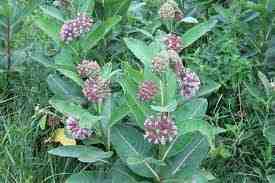
The delicate balance of natural ecosystems often relies on the very elements that humans mistake for useless greenery. At Navilu Kaadu, an experimental natural farm dedicated to fostering biodiversity, traditional weeding practices have been turned completely upside down. While standard agricultural practices demand the immediate eradication of wild shrubs, the giant milkweed receives permanent clearance to occupy vital real estate on the farm. Known scientifically as Calotropis gigantea and locally in Kannada as Ekkada Gida, this expansive shrub remains a distinct feature of the rural countryside. It stands out due to its hallmark penta petaled cream or lavender blossoms that rise around a distinct, ridged central crown. By intentionally preserving these patches of wild flora instead of pursuing a sterile, manicured landscape, conservationists are demonstrating how a single undisturbed native plant can sustain thousands of intricate biological relationships.
This deliberate protection is deeply tied to the astonishing survival journeys of specialized insect populations that depend entirely on the milkweed genus. In the expansive world of natural history, these plants are celebrated as the exclusive larval hosts for milkweed butterflies, particularly from the Nymphalidae family and Danainae subfamily. By leaving these shrubs untouched, Navilu Kaadu plays a small yet crucial part in hosting the lifecycles of diverse Danaid species, including plain tigers, striped tigers, glassy tigers, and blue tigers. The fascinating dynamic between the insect and the flora highlights a remarkable evolutionary bond. Female butterflies carefully deposit their tiny eggs on the safe undersides of the milkweed leaves. Once the caterpillars hatch, they feed aggressively on the plant tissue, utilizing a rare genetic mutation that protects their internal organs from the intense compounds hidden within the foliage.
A closer look at the botanical composition of the giant milkweed reveals an incredible duality of immense danger and profound healing. When a leaf is torn or a stem is broken, the plant immediately unleashes a thick, sticky white latex packed with cardenolides. These specialized chemical compounds are designed to disrupt the cardiovascular functioning of potential predators, acting as a highly effective defense mechanism against hungry herbivores. Historically, indigenous tribes across the African continent harvested this highly potent latex to poison the tips of their hunting arrows. Despite this inherent danger, modern taxonomy recognizes the therapeutic value of the species. Carl Linnaeus, the father of modern taxonomy, named the genus Asclepias in honor of Asklepios, the ancient Greek god of healing. Indigenous communities and traditional Ayurveda systems have utilized various parts of the shrub for centuries to relieve pain, reduce severe inflammation, treat indigestion, and combat respiratory issues like bronchitis and asthma.
Ultimately, the survival of these native plants is closely intertwined with the long term health of global agricultural systems and human survival. Milkweed flowers rely completely on insect driven pollination, with large, iridescent tropical carpenter bees acting as their most prolific reproductive partners. Unfortunately, reckless urban expansion, aggressive deforestation, and monoculture farming practices continue to shrink natural habitats, threatening both the pollinators and the plants they support. De weeding fields to create perfectly clean farms might satisfy aesthetic preferences, but it creates ecological deserts that trigger a dangerous decline in insect populations. By encouraging citizens and farmers to cultivate native species over exotic ornamental varieties in private gardens and public parks, communities can restore essential biodiversity corridors. Protecting the misunderstood giant milkweed is not merely a lesson in letting weeds grow, but a vital strategy to ensure the resilience of the natural world.