
Government Rules Out Dharmendra Pradhan Exit During CJP Talks Stating Resignation Means Running Away
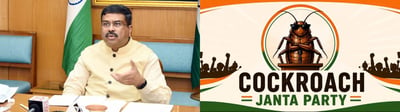
On July 24, 2026, high-stakes negotiations between top government officials and student representatives took a decisive turn in New Delhi. Union Health Minister JP Nadda and Minister of State Dr. Jitendra Singh hosted a delegation from the Cockroach Janta Party, an organization leading a 1-month protest at Jantar Mantar over the NEET-UG paper leak controversy. While the government expressed willingness to accept demands regarding monetary compensation for affected families and the withdrawal of police cases filed against student protesters, it firmly drew the line at political resignations. Central government sources confirmed that Union Education Minister Dharmendra Pradhan will not step down, asserting that quitting the post would be the easiest escape route and would amount to running away from duties entrusted by the public.
The ongoing crisis stems from widespread irregularities and alleged paper leaks surrounding competitive examinations conducted by the National Testing Agency. Protests intensified over recent weeks as student bodies demanded systemic accountability, culminating in a hunger strike by activist Sonam Wangchuk that lasted 26 days before ending at Medanta Hospital. During the 2-hour meeting at the Constitution Club of India, Cockroach Janta Party representatives presented a 3-demand charter alongside a 5-point examination reform proposal. Protesters maintained that the resignation of Dharmendra Pradhan was a non-negotiable requirement to rebuild trust among millions of young aspirants across the country.
Rather than accepting symbolic resignations, the administration has chosen to pivot toward structural and legal overhauls. Officials revealed that 47 personnel associated with the National Testing Agency have already been removed, and multiple illicit networks behind paper leaks have been dismantled across several states. In a major policy move, the Union Cabinet approved tough amendments to public examination laws, introducing penalties including up to 10 crore rupees in fines and minimum imprisonment terms ranging from 5 to 10 years for organized cheating syndicates. Furthermore, Prime Minister Narendra Modi publicly announced plans to establish dedicated fast-track courts to ensure swift prosecution of offenders in examination fraud cases.
While the government attempts to demonstrate decisive action through administrative punishment and legislative reform, the core issue of systemic trust remains unresolved. Relying on legislative amendments and civil servant removals addresses the symptoms of examination malpractices, yet it leaves key questions open about ministerial oversight and structural accountability. For millions of students whose academic futures hang in the balance, policy promises must translate into flawless execution on the ground. As both sides prepare for further rounds of discussions on July 25, 2026, the political stand-off highlights a delicate balance between preserving institutional stability and addressing intense public demand for high-level political accountability.