
PM Modi GenZ Style Midnight Selfie Video Sparks Peak Detailing Debate 2026
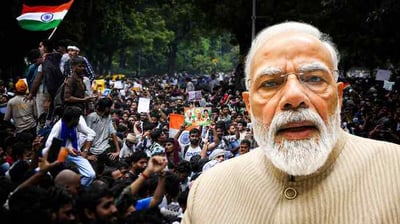
In a departure from traditional televised broadcasts, Prime Minister Narendra Modi released a self-recorded video message at 11:52 PM on 23 July 2026 to directly address student anxieties surrounding competitive examination paper leaks. Holding a smartphone at arm length in a vertical selfie orientation without a formal podium, studio backdrop, or teleprompter, the Prime Minister opened his under 3 minute video by calling viewers friends. He acknowledged that exam paper leaks are not a trivial issue and acknowledged the immense emotional distress caused to over 2200000 affected aspirants and their families. During the message, he announced plans for a draft law establishing dedicated fast track courts and imposing severe legal penalties against organized exam corruption rings, promising cabinet discussion on 24 July 2026.
The unexpected digital post instantly transformed into a viral social media event, with online users analyzing the aesthetic choices and technical execution behind the video. Social media commentators quickly highlighted the front camera angle held slightly below chin level, describing the production style as peak detailing designed to match short form mobile video platforms like Instagram Reels. Within hours, the clip garnered over 260000000 cumulative views across multiple online channels, leading supporters to praise the political strategy as a clever move to communicate with younger demographics in their native digital format. However, younger users online debated the presentation, with some calling the front camera technique a millennial era framing choice rather than a true Gen-Z style.
The late night video release also faced criticism from opposition political parties and student organizations leading demonstrations at Jantar Mantar. Student representatives from the Cockroach Janta Party argued that releasing a selfie video at midnight revealed severe political pressure on the central administration following weeks of public marches in the capital. Congress leaders including Rahul Gandhi labeled the clip a pathetic midnight message, reiterating their demands for the dismissal of Education Minister Dharmendra Pradhan, full apologies to injured students, and official statements delivered inside Parliament rather than through one-sided video posts. Satirists and political commentators also pointed out that the carefully crafted casual framing seemed designed to project spontaneous accessibility while avoiding direct parliamentary debate.
This late night communication initiative highlights a growing trend where political leadership uses direct mobile outreach to bypass traditional media filters during moments of public tension. While the casual visual presentation successfully captured digital attention and generated massive online commentary, relying primarily on social media video messages can sometimes overshadow core policy solutions. Reassuring frustrated youth requires more than engaging visual communication; it demands concrete administrative enforcement, institutional accountability, and transparent legislative action. Ultimately, whether this digital outreach strategy succeeds depends on whether fast track courts and anti leak legislation can fully restore public trust in national examination systems.