
Phones In Hand Indias Young Protesters Blast Through Modis Media Control
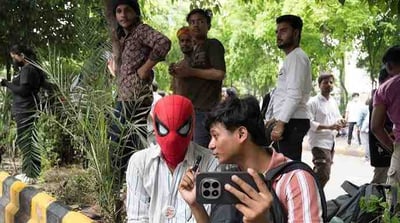
On 24 July 2026 thousands of young demonstrators gathered across central New Delhi equipped with mobile phones and digital cameras to challenge official government narratives. The ongoing agitation led by the youth organization Cockroach Janta Party began after widespread paper leaks disrupted competitive medical entrance exams affecting over 2000000 students across the country. As law enforcement officers deployed force including tear gas and batons during a massive march toward Parliament on 20 July 2026 young citizens recorded every detail on their handheld devices. Rather than relying on traditional television news networks these young Gen Z protesters turned platforms like Instagram and digital video feeds into real time broadcasting channels to share live unedited footage with millions of citizens across the nation.
The rapid digital mobilization presented a unique challenge to Prime Minister Narendra Modi and his long standing media management strategy. For over 12 years the ruling administration maintained strong influence over digital public communication through organized messaging campaigns and centralized outreach. However young protesters completely flipped the digital landscape by flooding social networks with humorous short videos clever memes and authentic personal accounts. When official security agencies suspended mobile internet services within a 1.5 kilometer radius around key protest sites in central Delhi for 8 hours on 23 July 2026 students quickly adapted by transferring recorded video files through local offline networks and re uploading content as soon as digital connectivity was restored.
Public anger also targeted mainstream television news organizations which many young protesters accused of biased coverage and ignoring student grievances. During demonstrations near Jantar Mantar and Parliament Street several broadcast reporters faced intense verbal pushback from crowd members who felt their struggles were omitted from regular news bulletins. Media research experts point out that over 50 percent of Indians aged between 18 and 24 years now rely primarily on social media platforms for their daily news consumption. This fundamental shift in media consumption habits rendered traditional television commentary ineffective among younger demographics who prefer authentic ground reality over polished studio discussions.
To manage the rising digital resistance authorities implemented administrative restrictions including the shutdown of 16 metro rail stations and traffic diversions around Connaught Place on 24 July 2026. In addition the central administration approved new public examination legislation introducing strict legal penalties including up to 10 years of imprisonment and monetary fines reaching 10 crore rupees for individuals involved in paper leak networks. Prime Minister Modi also released official video messages emphasizing youth welfare and highlighting the creation of dedicated fast track legal proceedings to address systemic exam malpractices. Despite these administrative warnings young activists continued creating digital commentary demonstrating how mobile tools can bypass traditional communication barriers during civil demonstrations.
This widespread digital movement illustrates a major transformation in how modern public dissent is communicated and experienced across India. By shifting focus from centralized television broadcasts to decentralized mobile platforms young citizens created an independent communication channel operating beyond traditional state influence. While law enforcement authorities attempt to manage street crowds and maintain public order through security measures the continuous stream of viral content keeps public attention focused on institutional accountability and examination reform. The coming weeks will determine whether policy measures and legislative reforms can address student demands or if decentralized mobile activism will continue to reshape political communication in the country.