
Honda 0 Alpha Electric SUV Prepares For Big Indian Debut To Challenge Established Market Leaders
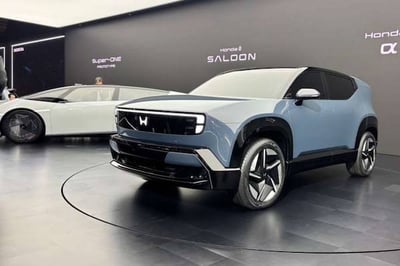
The Indian electric vehicle ecosystem is preparing for a massive shakeup as Honda Cars India officially readies its very first mass market battery powered contender. Stepping into the clean energy arena, the Japanese automaker has confirmed that its ground up electric SUV will make its commercial debut between January and March of the upcoming year. This ambitious project is heavily backed by a massive investment of 1200 crore rupees dedicated entirely to local manufacturing. Instead of focusing solely on domestic demand, Honda is positioning its Indian facility as a vital global export hub, with plans to ship this highly anticipated model to premium international markets including Japan. Recent sightings of heavily camouflaged test mules navigating diverse Indian road conditions have already fueled massive excitement among buyers who are eagerly waiting to see how the brand plans to navigate the rapidly evolving green mobility landscape.
Departing from the aggressive coupe silhouettes chosen by many modern rivals, Honda is prioritizing pure everyday utility and cabin comfort. The production version will stay remarkably true to the distinct styling of the global 0 Alpha concept car, featuring a relatively upright stance, a flat rear section, and an expansive glass area designed to maximize interior roominess. While the exact mechanical specifications regarding battery architecture and electric motor outputs remain tightly under wraps, industry insiders anticipate two distinct battery pack options to cater to different budget brackets. The higher variants are expected to target a highly reliable driving range of around 450 kilometers on a single charge, providing an ideal balance for stress free daily city commutes as well as sudden weekend highway journeys.
A deeper look at the strategy reveals that Honda is entering a highly competitive and crowded territory filled with formidable players. The upcoming Japanese challenger will lock horns directly with the likes of the Hyundai Creta Electric, MG ZS EV, Maruti Suzuki e Vitara, Tata Sierra EV, and the Mahindra BE 6. Entering the arena at this stage means Honda lacks the early mover advantage enjoyed by some local brands, placing immense pressure on their final showroom costs. However, targeting everyday family practicality rather than mere sporty aesthetics is a highly calculated move that could appeal directly to mature buyers. The true test for the brand will lie in balancing this sophisticated global engineering with aggressive local component sourcing to ensure the final pricing does not alienate budget conscious Indian families who demand maximum value for their money.
Inside the cabin, this vehicle is set to become the most technologically advanced product ever offered in the company history within the country. Passengers can look forward to a completely redesigned premium infotainment system, seamless smartphone integration, a fully digital instrument cluster, and an array of smart connected car technologies. Honda success will ultimately depend on how well they can blend their legendary reputation for rock solid reliability and mechanical durability with these new age digital features. If the manufacturer manages to deliver an exceptionally smooth driving experience alongside a highly competitive price structure, they will successfully establish a strong foothold in the electric space. This upcoming launch marks a critical turning point for the brand, proving that they are fully ready to evolve alongside the changing preferences of the modern Indian car buyer.