
Strait Of Hormuz Navigation Blocked Pending United States Compliance With Interim Deal Conditions Says Mohammad Bagher Ghalibaf
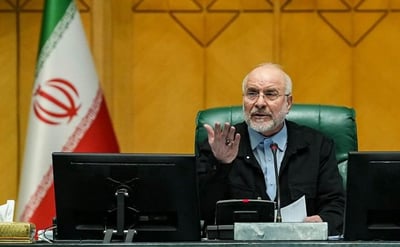
Tensions across West Asia escalated sharply following a firm statement from senior Iranian leadership regarding maritime access through critical global trade passages. Speaker of the Iranian Parliament and chief negotiator Mohammad Bagher Ghalibaf declared that the strategic Strait of Hormuz will remain closed to commercial navigation until Washington fully complies with all provisions stipulated in the interim memorandum of understanding signed between both nations. Addressing a parliamentary session, Ghalibaf emphasized that reopening the vital oil transit route is strictly contingent on complete American adherence to agreed parameters, asserting that diplomatic tracks must now be matched by military readiness to counter perceived breaches.
The demands outlined by Tehran encompass several major concessions, including the complete removal of maritime blockades surrounding Iranian ports, the lifting of restrictive oil export sanctions, the release of frozen foreign assets, and an immediate end to military operations across regional fronts. Ghalibaf claimed that the United States had entered initial discussions out of tactical necessity following strategic setbacks, accusing American officials of swiftly reneging on baseline commitments once hostilities slowed. He warned that Iran stands prepared to escalate defensive measures and inflict heavier operational costs if adversary forces continue to disregard the framework established during earlier negotiations.
The announcement coincides with fresh disruptions and heightened security risks in the strategic waterway. Security agencies, including the United Kingdom Maritime Trade Operations, reported a commercial vessel being struck by an unidentified projectile while attempting outbound transit through the Strait of Hormuz. The impact caused structural damage to the engine room and resulted in a crew casualty, prompting emergency assistance from maritime rescue units. The incident underscores the volatile operational environment along the narrow channel, through which a significant portion of global petroleum and natural gas supplies typically move.
International diplomatic efforts to de-escalate the standoff continue through regional intermediaries. Turkish leadership engaged in discussions with Washington to advocate for renewed dialogue with Tehran, offering Ankara as a neutral facilitator to prevent further regional instability. Meanwhile, Iranian officials maintained that while diplomatic channels remain open, future engagement depends entirely on tangible policy shifts from the United States regarding economic sanctions and naval access. With unresolved disputes clogging crucial maritime corridors, global energy markets and international shipping operators face continued uncertainty.