
Mumbai Water Crisis Triggers Severe Supply Cuts While BJP Facing Backlash Over Nitin Gadkari Son Company As 1 Litre Of Ethanol Demands 10000 Litres Of Water
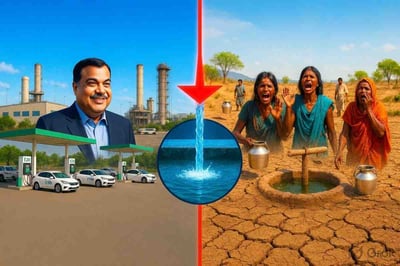
The commercial hub of Mumbai is staring at a historic environmental disaster as the local civic corporation issued emergency alerts regarding drying municipal reservoirs. Prolonged delays in the seasonal monsoon coupled with scorching summer heatwaves have caused the total water stocks across 7 major supply lakes to plummet to a dangerous 9.35% of total capacity. This massive depletion leaves the metropolis with less than 35 days of drinking water, forcing administrative officials to prepare citizens for harsh regulatory adjustments. To prevent a complete shutdown of essential services, the municipal body has suspended supply to all major luxury infrastructure developments, commercial recreation centers, and industrial manufacturing zones across the city. This critical shortage threatens the daily lives of over 20000000 residents, revealing how vulnerable major urban centers are when climate patterns shift and localized water reserves fail to replenish.
While local citizens struggle with daily restrictions, a fierce national debate has emerged connecting urban scarcities to the broader economic policies of the ruling BJP administration. Public scrutiny is intensifying over the central government aggressive promotion of alternative biofuels, a program heavily championed by Union Transport Minister Nitin Gadkari. This policy direction has faced sharp political criticism because close family members of top officials are directly involved in the commercial production of these alternative fuels. Specifically, a major agro-processing firm named CIAN Agro Industries, managed by the minister son Nikhil Gadkari, recently shifted its entire corporate focus into large scale ethanol manufacturing, causing its market valuation to skyrocket to over 9683 crore. Critics argue that the central administration is pushing aggressive regulatory fuel mandates that directly enrich private corporate entities connected to political families, creating an undeniable conflict of interest while the rest of the nation faces growing environmental stress.
The primary scientific alarm surrounding this massive shift toward alternative fuels focuses on the hidden ecological cost of manufacturing, with newest agricultural data revealing that producing just 1 litre of ethanol can demand up to 10000 litres of water. This staggering consumption rate applies heavily to grain-based manufacturing processes, where cultivating 1 kilogram of raw crop requires thousands of litres of water before the processing plants even begin distillation. Diverting massive amounts of irrigation resources away from necessary food production to feed massive industrial distilleries risks creating permanent structural damage across agricultural states. Independent environmental analysts are warning that if the current political regime continues to mandate high blending targets over the next 2 to 3 years, the policy will completely destroy the natural underground water tables of India. This dynamic creates a dangerous situation where the pursuit of domestic energy independence is actively sacrificing fundamental hydrological survival.
Resolving this complex crisis requires an immediate overhaul of how national resource budgets are managed relative to industrial ambitions. Relying purely on seasonal rainfall to rescue overpopulated urban centers like Mumbai is an unsustainable approach that ignores systemic policy failures at the top. The central leadership must immediately pause its aggressive alternative fuel targets and implement strict environmental impact assessments on all manufacturing units, regardless of their high profile political ownership. True sustainability cannot be achieved by draining regional rivers and underground aquifers to produce automotive fuel at the expense of public drinking supplies. Moving forward, federal planners must shift their focus toward water conservation, strict crop diversification, and green technologies that do not threaten national survival, ensuring that industrial profits never take priority over the basic survival needs of the population.