
India Economy Faces Severe Threats That Central Bank Currency Band Aid Measures Can Never Fully Fix
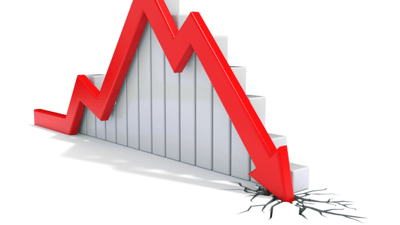
The central bank and central government have rolled out a coordinated series of emergency measures designed to rescue the domestic currency and invite overseas capital back into local financial markets. By lowering capital gains taxes on foreign bond purchases and easing entry restrictions for portfolio managers, authorities managed to trigger an immediate, short term recovery for the under pressure rupee and lift local stock indices. Financial analysts project that this regulatory relief package could pull in billions of dollars in short term portfolio inflows over the subsequent quarters, potentially bridging the immediate balance of payments deficit. However, this immediate market intervention serves as nothing more than a temporary shield. Below the surface of these financial adjustments, the broader economic framework is confronting deep, volatile global head winds and domestic structural weaknesses that monetary adjustments alone simply do not have the power to resolve.
The single greatest threat to macroeconomic stability stems directly from the widening conflict in Iran, which has severely disrupted global energy supplies and strained regional transit routes like the Strait of Hormuz. Because the domestic economy relies heavily on imports to satisfy nearly ninety percent of its total crude oil requirements, any sustained increase in international energy benchmarks forces local importers to offload massive volumes of rupees to buy dollar denominated oil. This ongoing energy shock has caused fuel and fertilizer import bills to swell drastically, applying relentless downward pressure on national finances and threatening to push basic food inflation into dangerous territory. While foreign exchange interventions can artificially smooth out extreme daily fluctuations in the exchange rate, they cannot reduce the actual cost of crude oil or protect local manufacturing units from paying vastly inflated prices for vital industrial raw materials.
Beyond external geopolitical shocks, long term capital trends reveal a worrying decline in foreign direct investment, which points toward deep structural deficiencies within the domestic industrial layout. While short term global portfolio funds migrate rapidly across international lines to chase quick tax incentives, long term corporate capital has remained highly cautious, with net foreign direct investment declining significantly over successive fiscal terms. A primary driver behind this capital shortage is that the country remains heavily sidelined from high growth technology sectors that are currently attracting massive international funding, such as advanced semiconductor fabrication, electric vehicle supply lines, and cutting edge artificial intelligence infrastructure. Concurrently, the rapid global evolution of automated systems is beginning to pose an active threat to the traditional back office service sectors, dampening long term investment in what has historically been the primary driver of urban employment and commercial growth.
Ultimately, maintaining sustainable economic expansion requires moving far beyond superficial monetary stabilization and executing profound domestic regulatory reforms. Acknowledging these severe systemic risks, the reserve bank has officially lowered its national growth projection to 6.6 percent for the fiscal period, down significantly from the 7.6 percent expansion recorded during the previous year. Temporary interventions aimed at boosting corporate bond markets provide brief breathing room, but they fail to generate structural employment opportunities, improve the ease of doing business across states, or boost stagnant real wages within the informal labor sector. Until policymakers address these fundamental bottlenecks by modernizing local manufacturing supply chains and insulating agricultural production from severe weather risks, the national economy will remain highly vulnerable to volatile global shifts, demonstrating that financial patches can never replace genuine economic transformation.