
Indian Economy Nears Eight Percent Growth Target As Shaktikanta Das Highlights Major Reforms And Rising Global Strength
India is standing on the doorstep of rapid economic expansion that could reshape the daily lives of millions of its citizens. While many major economies across the world are struggling with slow business activity, rising debt, and weak consumer confidence, the Indian marketplace is moving forward with surprising speed and energy. Busy market centers, expanding construction projects across major cities, and active factories all point toward an economy that has found its balance. Top policymakers now believe that the nation is ready to break through into a new era of high development that will bring more jobs, better public facilities, and greater stability to ordinary households.
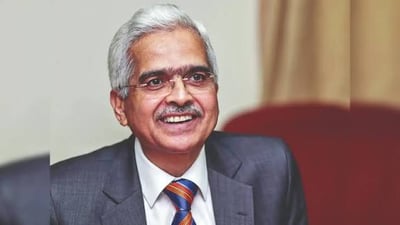
Speaking at a major economic conference attended by international experts, Shaktikanta Das shared a very optimistic assessment of where the country is heading. Having previously guided the national banking system as the governor of the Reserve Bank of India, he now serves as a key economic advisor to the central government. In his address, he explained that the country is within striking distance of reaching a sustained growth rate of eight percent. Reaching and maintaining eight percent growth is widely seen by global economists as the golden mark needed to lift living standards, build modern hospitals and schools, and create reliable income opportunities for the young workforce entering the job market every year.
Recent official records support this positive outlook. The national economy expanded by seven point eight percent in the first quarter of the financial year, continuing a strong multi-year performance. Over the past five years following the global pandemic, the country has maintained an average growth rate of seven point nine percent. When experts look at the most recent four quarters combined, the average expansion has already crossed the eight percent line. This steady performance proves that the current financial momentum is not just a brief bounce after difficult times, but a solid trend supported by real domestic activity and steady investments.
A major reason behind this steady progress is the quiet strength of everyday domestic demand. Ordinary families across small towns and large urban centers are spending money on daily necessities, buying vehicles, traveling, and improving their homes. At the same time, private businesses and the government are pouring large funds into laying railway tracks, building new highways, modernizing sea ports, and expanding digital networks. This combined wave of public spending and household shopping keeps money circulating quickly through the economic system, protecting local businesses even when global trade slows down.
Shaktikanta Das stressed that this remarkable endurance is not a matter of luck or accidental good fortune. Instead, it is the direct result of deep structural changes introduced into the financial system over several years. One of the most important changes was the nationwide introduction of the Goods and Services Tax, commonly known as GST. In earlier times, moving goods across state borders meant dealing with dozens of separate local taxes, endless paperwork, and long truck queues at border checkpoints. The unified tax framework removed these barriers, allowing companies to sell products across the entire nation as a single unified market, saving time and cutting waste.
Another critical pillar of this growth is the dramatic turnaround of the commercial banking system. A decade ago, Indian public banks were weighed down by bad loans that threatened the financial health of the entire country. Through firm regulatory rules and new laws that helped lenders recover money from failing businesses, commercial banks cleaned up their balance sheets. Today, banks have strong cash reserves, low amounts of unpaid debt, and the financial strength needed to issue loans to new factories, small shopkeepers, and individual home buyers without putting public money at risk.
The management of price stability has also played a crucial role in keeping the economy steady. When basic food and fuel prices swing wildly, ordinary families suffer immediately, and businesses hesitate to invest in new projects. By giving the central bank a clear target to keep price rises within a predictable range, the country has managed to control dangerous price spikes. Even when world fuel prices jumped due to international conflicts and trade disruptions, domestic markets remained relatively calm, allowing ordinary citizens to plan their family budgets with greater peace of mind.
Beyond domestic borders, India has carefully guarded its financial position against international shocks. Trade officers have worked to send Indian products to a wider range of countries rather than depending on just one or two major buyers. At the same time, Indian technology firms and professional service providers continue to earn massive income from foreign clients. Millions of Indian citizens working abroad in the Gulf, North America, and Europe send billions of dollars back home to their families every year. These steady cash flows help maintain foreign currency reserves, protect the value of the national rupee, and ensure that the country can purchase necessary energy and raw materials from overseas.
Looking toward the future, new technologies are expected to accelerate this economic engine even faster over the next five years. Tools like artificial intelligence, digital banking networks, and instant payment systems are already changing how people conduct business. Shopkeepers in remote villages now accept digital payments directly into their bank accounts through mobile phones. Artificial intelligence is beginning to help government departments deliver public welfare schemes directly to citizens without middlemen, while helping doctors diagnose illnesses faster and assisting teachers in reaching children in rural classrooms.
To keep this growth running smoothly for decades, financial planners are calling for further improvements in long-term investment markets. Das highlighted the urgent need to expand corporate bond markets, encourage pension and insurance funds to invest in long-range development projects, and strengthen municipal finances so that local city governments can fund their own clean water and waste management systems. Finding modern ways to finance green energy projects, like solar parks and wind farms, will also ensure that economic expansion does not come at the cost of clean air and water.
The overarching goal behind reaching an eight percent growth rate goes far beyond impressive numbers on paper. India has set a national target to become a fully developed nation by the year twenty forty-seven, marking one hundred years since winning independence. Moving from a developing economy into a prosperous developed society requires decades of continuous job creation, steady factory production, and rising wages. As long as the country stays committed to sensible economic rules, supports honest business innovation, and invests in the skills of its young population, the target of eight percent growth remains well within practical reach.