
Indian Government Restricts Rice Diversion For Ethanol Production After Sugarcane Curbs Pushing Maize Demand Higher Across India
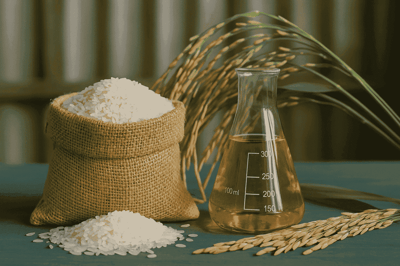
The central government has moved to tighten the diversion of foodgrains into the national biofuel supply chain, placing strict ceilings on how much rice can be processed into fuel ethanol by domestic distilleries. The policy intervention follows earlier restrictions placed on sugarcane juice and sugar syrup, signaling a deliberate government pivot toward protecting national food security and domestic grain reserves. Under the revised guidelines, public sector oil marketing companies have placed strict procurement caps on ethanol manufactured from Food Corporation of India surplus rice and damaged grain stocks. The sudden squeeze on traditional sugar and rice raw materials has forced energy refiners and distillery operators to turn toward maize, triggering expectations of sharp demand spikes and price adjustments across major agricultural markets.
The fresh procurement framework comes into play for the 2026-27 ethanol supply year, which runs from November through October. In a tender floated by oil marketing companies to procure eleven billion liters of blending ethanol, the supply from surplus rice held by the Food Corporation of India has been capped at 3.24 billion liters for the first three quarters of the cycle. Ethanol manufactured from damaged foodgrains faces an independent annual ceiling of 1.6 billion liters. When combined, these grain sources can supply a maximum of 4.84 billion liters toward the national blending program, leaving a massive volume deficit that distilleries must fulfill using alternative agricultural feedstocks.
The decision to limit rice diversion reflects growing caution within policy circles regarding domestic food inflation and grain stock management. Over recent seasons, shifting rainfall patterns and fluctuating harvest outputs have prompted food ministry officials to prioritize affordable kitchen staples over unchecked industrial biofuel manufacturing. Although the central government previously permitted expanded rice diversion to accelerate national fuel blending goals, policymakers realized that unrestricted grain usage could deplete public granaries and push open market retail rice prices higher, placing heavy financial strain on everyday consumer households.
The tightening on rice comes directly on the heels of severe curbs on sugarcane-based biofuel production. For the upcoming supply period, authorities completely prohibited oil marketing companies from purchasing ethanol derived directly from sugarcane juice, whole sugar, sugar syrup, and B-heavy molasses. Distilleries processing sugarcane are permitted to use only C-heavy molasses, which is the leftover byproduct remaining after all economically recoverable sugar has been extracted. Because C-heavy molasses yields relatively modest alcohol output and faces high commercial demand from potable spirit and chemical industries, sugar mills will only be able to provide a minor fraction of the national ethanol blending target.
With sugarcane and rice supply avenues tightly restricted, maize has quickly emerged as the primary agricultural commodity capable of bridging the national fuel gap. Agricultural trade analysts estimate that maize demand for ethanol production could surge to sixteen million tonnes during the 2026-27 supply cycle, up from approximately thirteen million tonnes consumed during the preceding year. This represents an increase of nearly twenty-two percent in industrial consumption. At an average conversion efficiency of roughly three hundred and eighty liters of ethanol per tonne of grain, processing sixteen million tonnes of maize could yield over six billion liters of green fuel, making the coarse cereal the backbone of India biofuel strategy.
The sudden industrial shift toward maize carries wide economic consequences for farmers, consumer industries, and regional mandi markets. Major maize producing states including Karnataka, Madhya Pradesh, Maharashtra, Bihar, and Telangana are expected to see increased procurement activity and better price realization for cultivators who have historically faced volatile market returns. However, the rapid redirection of maize toward energy distilleries has raised alarm bells across the poultry, livestock feed, and industrial starch sectors. Animal husbandry operators rely on affordable maize as their primary feed ingredient, and competing directly with heavily capitalized energy companies could drive up feed expenses and inflate domestic poultry and dairy prices.
Distillery operators are also navigating serious operational hurdles as they adapt to the fast shifting regulatory landscape. While multi-feed distillery facilities possess the mechanical versatility to switch between broken rice, molasses, and coarse grains, adapting boilers, fermentation tanks, and distillation columns requires technical recalibration and steady input supplies. Companies that built dedicated single-grain facilities designed primarily around cheap rice allocations face underutilized plant capacities and squeezed operating margins unless they secure dependable long-term maize supply contracts at commercially viable prices.
The regulatory balance highlights the complex dilemma confronting developing economies pursuing ambitious clean energy goals. India has made rapid progress toward achieving its twenty percent ethanol blending target for automotive petrol, saving valuable foreign currency on crude oil imports and cutting carbon emissions from vehicular exhaust. However, the policy adjustments on sugarcane and rice demonstrate that energy independence cannot be pursued at the cost of household nutrition and food stability. By steering industrial blending demand toward hardy, water-efficient crops like maize while keeping granary doors guarded, the government hopes to maintain its renewable energy momentum without destabilizing the kitchen budgets of ordinary Indian families.