
Iran Declares UK Royal Navy And Air Force Terrorist Groups As MI6 Added To Hostile Entity Blacklist
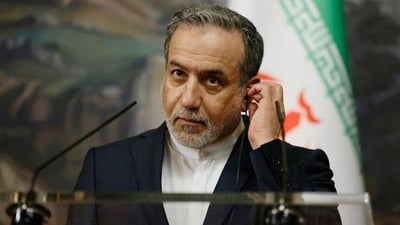
Diplomatic tensions between the United Kingdom and Iran reached an unprecedented level following a sweeping official announcement issued by the Iranian foreign ministry in Tehran. In a dramatic move that fundamentally alters diplomatic engagement between both nations, the Iranian government formally declared the British Royal Navy and the Royal Air Force to be terrorist groups. In addition to blacklisting the two major branches of the British military, the Iranian state placed the Secret Intelligence Service, widely known as MI6, onto its official register of hostile and banned entities. The severe diplomatic step follows months of worsening disputes over naval presence in the Persian Gulf and intelligence operations across the Middle East.
The formal decision was announced through an official directive endorsed by senior state security bodies and the Iranian parliament. According to the document released by authorities, the blacklisting of the British military branches was taken under national counter-terrorism legislation enacted to answer hostile foreign actions. Tehran accused the Royal Air Force and Royal Navy of actively assisting hostile regional operations, conducting unauthorized surveillance flights, and participating in joint military actions that violate international maritime and territorial sovereignty. Under the new classification, any interaction, cooperation, or logistical assistance provided to these British military branches will be treated under Iranian law as aiding a terrorist organization.
The inclusion of the British foreign intelligence agency MI6 on the hostile list marks a severe escalation in the ongoing espionage confrontation between both countries. Iranian security officials claimed that British intelligence operatives have played an active role in gathering sensitive defense information, supporting dissident networks, and coordinating covert cyber operations aimed at critical industrial installations. By formally branding MI6 as a hostile organization, the Iranian judicial system has laid down statutory grounds to pursue harsher legal penalties, including espionage charges carrying maximum punishments, against any individuals accused of sharing information with British authorities.
The aggressive designations come as a direct retaliatory countermeasure to actions previously taken by European governments. Over the past year, British lawmakers and European Union institutions had moved toward proscribing Iran Islamic Revolutionary Guard Corps as a terrorist group, while imposing rounds of asset freezes and travel bans on senior Iranian commanders. Iranian officials stated that Western powers cannot expect to place foreign state armed forces on sanctions lists without receiving an equal diplomatic response. Tehran warned that its counter-sanctions framework will apply legal, economic, and operational restrictions against any British military personnel operating within areas under Iranian reach.
The move introduces dangerous complications for maritime trade and security in the Persian Gulf region. The British Royal Navy has maintained a steady naval presence in the Gulf for decades, escorting commercial oil tankers and cargo container ships through volatile waters near the Strait of Hormuz. With the Royal Navy now formally designated as a terrorist group by the coastal state that borders the narrow waterway, the risk of armed naval confrontations at sea has increased dramatically. Maritime analysts warn that Iranian patrol vessels could use this domestic legal label to justify intercepting, boarding, or detaining British-flagged commercial vessels or allied auxiliary ships navigating nearby routes.
Government officials in London responded with sharp condemnation to the announcement from Tehran. A British government spokesperson rejected the designations as completely absurd, baseless, and legally meaningless. Defense officials emphasized that the Royal Navy and Royal Air Force operate strictly in full accordance with international maritime law, freedom of navigation principles, and United Nations charters. British leaders warned that using domestic counter-terrorism laws against professional armed forces of sovereign nations damages international norms and further isolates Iran from the global community.
International legal scholars noted that mutual terrorist listings between sovereign nations represent a breakdown in standard diplomatic safeguards. Traditionally, counter-terrorism laws were created to target non-state extremist groups and underground militant networks. When state governments begin applying the label to official standing armies and established foreign intelligence agencies, the legal mechanisms meant for international crisis management and diplomatic immunity begin to collapse, making peaceful negotiations through formal embassy channels far more difficult to sustain.
The severe diplomatic freeze is also expected to have direct consequences for consular relations and dual nationals residing or traveling across the region. With intelligence and military channels officially broken, legal protections for foreign visitors become increasingly fragile. British authorities have historically issued strict travel advisories cautioning citizens against traveling to Iran, and the latest hostile entity declarations will likely lead to even tighter warnings, effectively halting remaining academic, cultural, and commercial exchanges.
Regional mediators who have been working to stabilize Middle Eastern security channels expressed disappointment over the hardening rhetoric. Envoys who have facilitated indirect communications between Western powers and Tehran pointed out that escalating legal labels makes it politically harder for either side to offer practical compromises during quiet diplomatic talks. When defense institutions are formally labeled as terrorist bodies, sitting down at the negotiation table becomes a target of fierce political criticism in both domestic capitals.
As the new orders take effect across Iranian administrative and security departments, the geopolitical atmosphere around the Persian Gulf remains on high alert. Coast guard units, radar stations, and naval command posts have been placed on heightened watch, while international shipping companies carefully evaluate the safety of British crews navigating through regional waterways. The decision to brand the armed forces of a major world power as terrorist groups demonstrates that the confrontation between Iran and the West has entered an unpredictable chapter where legal retaliation and military posturing go hand in hand.