
Iran Exempts Ships From India China Iraq Qatar From Hormuz Restrictions Easing Global Energy Panic
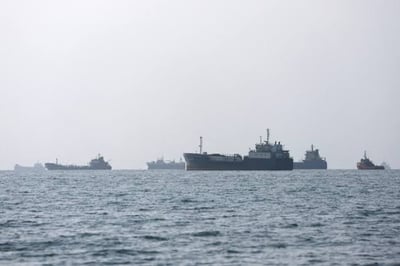
The maritime standoff in the Middle East has taken an unexpected diplomatic turn as Iranian authorities officially announced that commercial ships and oil tankers originating from India, China, Iraq, and Qatar will be exempted from navigation restrictions in the Strait of Hormuz. The decision comes as a massive relief to global trade channels that had been on the edge of panic following aggressive military patrolling and warnings issued by naval forces in the narrow waterway. By establishing a clear protective passage for selected partner countries, Tehran has shifted its maritime strategy from a total blockade to a targeted filter, protecting vital relationships while maintaining leverage over Western shipping interests.
The geographical importance of this narrow sea lane cannot be overstated for everyday life around the world. The Strait of Hormuz is a small neck of water that connects the energy-rich oil fields of the Persian Gulf to the open ocean. Through this single marine corridor passes roughly one-fifth of the entire world’s petroleum supply. If traffic stops here for even a few days, oil prices instantly skyrocket, factories run short of fuel, and the cost of transport rises everywhere from Europe to Asia. For weeks, the threat of an outright closure sent shockwaves across stock markets, shipping insurers, and energy ministries across the globe.
For India, this special exemption provides an immense sense of security and saves the domestic economy from a severe supply shock. The country relies heavily on foreign energy sources, importing almost ninety percent of all the crude oil it needs to keep vehicles running, factories humming, and cooking gas supplied to millions of households. Approximately thirty percent of these enormous crude imports pass directly through the Strait of Hormuz, originating from traditional suppliers along the Gulf. Had Indian tankers faced harassment, seizure, or blockades in the strait, the country would have had to scramble for expensive emergency alternatives, putting severe pressure on the rupee and raising fuel prices for the common citizen.
China, the second major nation granted unrestricted transit, stands as the largest buyer of Gulf crude oil and the primary buyer of Iranian petroleum. By keeping the sea lane open for Chinese vessels, Tehran ensures that its own economic lifeline remains intact. Chinese refiners process vast quantities of fuel every single day to run the world's second-largest economy, and any disruption to its tanker fleets would have triggered immediate diplomatic friction with Beijing. Protecting Chinese transit preserves a critical economic partnership and guarantees continued trade flow between the two sides.
The inclusion of Iraq and Qatar in the exemption list reflects immediate regional diplomacy and energy interconnections. Iraq shares land and maritime borders with Iran and relies almost entirely on southern ports opening into the Gulf to export its vast oil production. Disrupting Iraqi oil exports would have created immediate economic instability for Baghdad and damaged relations between the neighboring governments. Similarly, Qatar is one of the world's leading suppliers of liquefied natural gas, shipping clean gas tankers through the strait daily to supply heat and power to Asian and European cities. Exempting both neighbors prevents a breakdown of regional ties and ensures local energy deals remain operational.
The strategic motive behind this selective exemption policy is clear to international maritime analysts. Rather than engaging in a blanket fight against the entire global trade network, Iranian decision-makers have chosen to divide their targets. By assuring major Asian consumers and regional neighbors that their oil and gas supplies will travel safely, Tehran minimizes diplomatic backlash from powerful non-Western capitals. At the same time, it keeps the pressure firmly focused on Western-flagged vessels, American commercial operations, and vessels linked to European states that have backed economic sanctions.
The relief felt by commercial shippers is immediate, though operational challenges still linger across the marine sector. International shipping lines and tanker owners have spent recent weeks facing astronomical insurance rates, with maritime underwriters adding massive war risk charges for any ship entering the Persian Gulf. While ships flying the flags of the four exempt nations can now sail with direct clearance, captains still maintain strict security protocols, including continuous radar watches, direct radio contact with naval controllers, and updated transponder signals to avoid tragic errors at sea.
Domestic energy officials in New Delhi welcomed the clarity, recognizing that an uninterrupted flow of crude oil through the strait provides crucial stability for national growth. With refineries in western and southern India processing shipments continuously, steady supplies prevent domestic pump prices from spiking. This keeps transportation costs predictable for trucks transporting vegetables, grains, and industrial goods across Indian highways, directly shielding ordinary consumers from sudden inflation at their local markets.
The selective green light for Indian, Chinese, Iraqi, and Qatari ships shows that diplomatic engagement and economic partnerships can create practical solutions even in the most intense military standoffs. While the waters of the Gulf remain heavily militarized and tensions between regional rivals stay high, the decision to safeguard these critical supply lines prevents a full-blown global fuel emergency. As long as these major commercial arteries remain protected, hundreds of millions of people who depend on affordable energy can breathe a sigh of relief.