
Iran Foreign Minister Araghchi Offers To Reopen Strait Of Hormuz In 2 Days If US Meets Demands On Sanctions And Ceasefire
Global energy markets and maritime trade networks received a significant diplomatic opening after Iranian Foreign Minister Abbas Araghchi made a major announcement regarding international navigation in the Persian Gulf. Speaking during high-stakes diplomatic consultations, the senior diplomat stated that Iran is fully prepared to reopen the strategically vital Strait of Hormuz within just two days. However, this swift opening is tied directly to a firm condition: Washington must formally agree to meet Tehran specific preconditions regarding the complete lifting of crippling trade sanctions and the cessation of hostile military actions across the region. The announcement has injected fresh momentum into international negotiations while putting the ball squarely in the court of American policymakers.
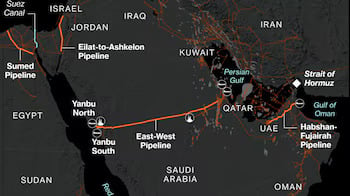
The Strait of Hormuz functions as the most critical oil transit chokepoint on the planet. Running between the southern coast of Iran and the northern tip of Oman, the narrow sea passage sees roughly one-fifth of the entire world petroleum supply pass through its waters every single day. Recent maritime restrictions, drone intercepts, and naval threats have severely slowed the flow of international oil tankers, leaving container ships stranded and forcing global shipping firms to re-route their vessels on expensive detours around the African continent. A complete reopening within forty-eight hours would bring immediate relief to international fuel markets, which have been facing sharp volatility due to continuous conflict in the Middle East.
According to diplomatic officials tracking the discussions, the demands presented by the Iranian foreign minister center on long-standing economic and security grievances. Araghchi clarified that before regular commercial maritime traffic can resume under Iranian naval protection, the United States must show concrete goodwill. This includes lifting punitive banking restrictions that prevent Tehran from accessing foreign exchange reserves, removing oil export embargoes, and providing clear guarantees that neither American nor allied forces will launch preemptive strikes against Iranian infrastructure. Iranian authorities maintained that free navigation cannot exist while their own domestic economy remains choked by external economic warfare.
The public offer comes as backdoor diplomatic mediation continues in the Qatari capital of Doha. Qatari diplomats, supported by regional partners like Pakistan, have been working continuously to broker a workable framework between Washington and Tehran. While direct meetings between American and Iranian leaders remain suspended due to mutual mistrust, intermediaries have been shuttling drafts between delegations to establish a phased de-escalation timetable. The proposal by Araghchi signals that Iran wants to use its control over the strategic shipping channel as a powerful bargaining chip to extract economic concessions before broader political changes take place.
Inside Washington, the two-day ultimatum has sparked intense debate among defense officials, trade advisers, and congressional leaders. With crucial domestic midterm elections scheduled for November 3, 2026, the American administration is balancing the urgent need to keep domestic gasoline prices stable against the political risk of appearing to bend to demands from Tehran. While American energy consumers would benefit directly from normal crude flows through the Persian Gulf, hardline lawmakers in Washington argue that agreeing to Iranian conditions under maritime pressure would set a dangerous precedent for international shipping rights.
At the same time, regional allies like Israel are watching the diplomatic developments with extreme caution. Israeli leadership has argued that easing sanctions on Iran in exchange for maritime access would simply provide financial resources for Tehran to rebuild its military and support regional partner networks. Prime Minister Benjamin Netanyahu has continued to press for sustained military deterrence rather than economic accommodations, warning that any deal that leaves the underlying security threats unresolved will only invite greater conflict down the road.
For global commercial shipping companies, the announcement offers a faint glimmer of hope mixed with extreme caution. Giant maritime carriers have faced staggering costs over recent months due to skyrocketing war-risk insurance premiums and prolonged travel times around the Cape of Good Hope. Port authorities in Asia and Europe, which rely heavily on Gulf energy deliveries to keep power plants running smoothly, have urged both Washington and Tehran to prioritize diplomatic compromise over military posturing so that international commerce can return to normal channels.
Local populations across the Persian Gulf region are watching the diplomatic standoff with deep personal concern. Everyday families, port workers, and fishermen have lived under the constant shadow of potential military exchanges, naval mine threats, and economic disruption for months. Community leaders in coastal trading hubs note that peaceful sea lanes are essential for regular livelihoods, food imports, and regional prosperity. A permanent resolution that secures open waters while addressing fundamental security disputes would bring welcome stability to millions of citizens across neighboring countries.
Independent foreign policy analysts note that the forty-eight-hour timeline set by Abbas Araghchi is intended to force a rapid decision from the White House. By framing the reopening of the vital waterway as an immediate possibility, Tehran is attempting to position itself as a reasonable actor offering a practical path forward, while placing the blame for ongoing economic pain on American resistance. Analysts caution, however, that turning a public demand into a verifiable international treaty within forty-eight hours is extremely difficult, as both sides must verify compliance steps down to the smallest legal detail.
The coming forty-eight hours will serve as a crucial test for regional diplomacy and international crisis management. If negotiators in Doha can construct a temporary arrangement that satisfies Washington security concerns while providing economic breathing room for Tehran, the Strait of Hormuz could see the safe return of commercial shipping. Conversely, if the deadline passes without agreement, the risk of maritime confrontations and fresh military flare-ups will rise significantly, keeping the entire world on high alert as energy lanes hang in delicate uncertainty.