
Iran Missiles Shot Down Near Jordan As Israel Destroys Falling Debris
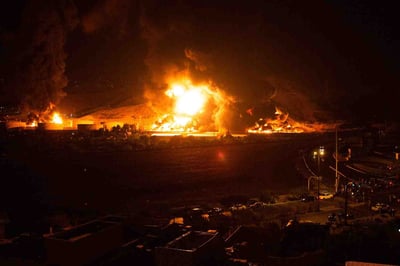
A highly dangerous situation developed in the skies over West Asia on 19 July 2026 when multiple ballistic missiles launched from Iran were intercepted while heading toward southern Jordan. The military action forced local authorities to sound emergency sirens across several neighborhoods as explosions echoed through the sky. According to official military statements, air defense units successfully destroyed 3 incoming weapons before they could hit populated areas, while a 4th projectile landed harmlessly in an empty desert zone in the southern part of the country. In a coordinated defensive response, the Israeli military also launched Iron Dome interceptors to neutralize falling metal fragments that threatened the nearby coastal city of Eilat, preventing any injuries or property damage on the ground.
This serious incident highlights a dangerous pattern of cross-border fire that has put everyday people in the region under constant stress since the broader conflict flared up in February 2026. The specific targeting of areas near the port city of Aqaba forced the evacuation of key transportation hubs early in the day due to direct threat warnings. For families living along the borders, the sight of burning debris falling from the night sky has become a terrifying daily reality. Local engineering teams had to rush to the scene to collect explosive pieces, showing just how thin the line is between a normal day and a sudden disaster for regular citizens trapped in a geopolitical crossfire.
Looking closer at the strategy behind these attacks, it appears that smaller nations are increasingly being utilized as physical shields or battlegrounds by larger military powers. The fact that the United States and regional partners had to coordinate defense systems shows that these missile strikes are likely aimed at international military assets rather than the local populations. However, this approach carries a massive risk of miscalculation. When weapons are shot down over sovereign territory, the risk of technical failure or falling shrapnel means that neutral countries face severe danger despite not being direct participants in the primary dispute.
To resolve this volatile state of affairs, regional leaders must move beyond simple military defense and establish stronger communication channels to prevent accidental escalations. Relying entirely on air defense shields is an expensive and temporary solution that cannot guarantee perfect safety forever, especially as the volume of weekly attacks continues to rise. True security will only come when international brokers successfully enforce the peace memorandums discussed in recent months, shifting the focus from military retaliation to diplomatic border management. Until formal guarantees are respected by all sides, the skies over the region will remain a dangerous zone where innocent lives depend on the split-second success of defense technology.