
Strait Of Hormuz Shipping Freezes As Iran Vessel Attacks Trigger Global Crisis
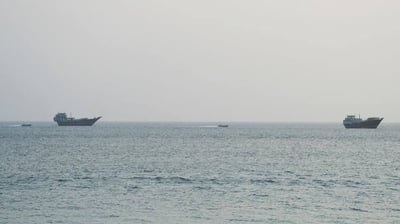
The international maritime shipping industry entered a highly critical phase on 17 July 2026 as merchant ship crews completely refused to traverse the Strait of Hormuz following a relentless wave of maritime drone and missile attacks launched by regional forces. Industry leaders confirmed that 9 major commercial cargo vessels were targeted over a brief 10 day window, effectively freezing the passage of essential raw supplies through the narrow waterway. Dimitris Maniatis, the chief executive officer of the specialized global maritime risk firm Marisks, publically detailed how the current operational environment has suddenly collapsed into the absolute worst case scenario for logistics firms worldwide. The massive psychological impact of these persistent attacks has stripped away any remaining willingness from commercial vessel operators to force their fleets through these disputed waters, as regular seafarers choose physical safety over any level of financial compensation.
This sudden collapse of normal shipping traffic occurred immediately after a highly publicized international memorandum of understanding regarding corridor safety fell apart between opposing global superpowers. The subsequent military escalation forced international naval forces to increase active patrols, but these surface warships have been unable to fully guarantee the safety of civilian crews against low flying aerial threats. For global supply chains, this strategic choke point handles roughly 20% of the daily global petroleum consumption, meaning that prolonged transit delays will rapidly trigger severe financial shocks across multiple energy dependent economies. The immediate panic in global logistics offices shows that modern supply networks remain incredibly delicate when confronted with targeted military friction along major trading channels.
Analyzing the core of this operational breakdown reveals that conventional maritime insurance models and financial incentives are completely useless when dealing with extreme personnel terror. Maritime risk experts point out that the current strategy deployed by regional forces relies on pushing all international shipping out of protective neutral corridors and directly into tightly controlled territorial waters. By transforming a vital global trade lane into an active combat zone, these regional forces are successfully leveraging global trade vulnerabilities to gain immense geopolitical leverage over larger industrialized nations. The terrifying reality is that even the presence of heavy western naval escorts cannot counter the human element of this crisis, as merchant crews are simply unwilling to gamble their lives on automated air defense systems.
Resolving this deep maritime stalemate will require international bodies to look past temporary armed naval escorts and focus on achieving a comprehensive regional treaty that establishes legally binding safe zones. Relying solely on military retaliation or increased crew bonuses will not restore the confidence needed to get massive merchant fleets moving through the channel again. True stability will only return when all parties agree to respect transparent international shipping parameters that keep civilian commerce entirely separate from ongoing regional disputes. Until direct diplomatic negotiations successfully establish these formal border guarantees, this critical gateway will remain completely paralyzed, forcing global economies to seek incredibly expensive alternative supply routes.