
Iran Supreme Leader Mojtaba Khamenei Seriously Wounded but Alive Claims Donald Trump
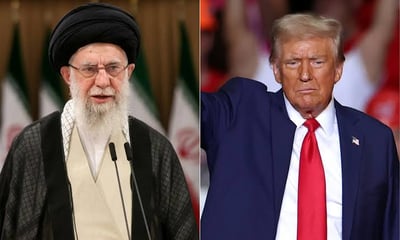
United States President Donald Trump has publicly addressed widespread international speculation surrounding the physical status of Iranian Supreme Leader Ayatollah Mojtaba Khamenei, asserting that the top clerical leader is alive but suffered extensive physical trauma during recent joint military operations. Speaking in a widely broadcast media interview, Trump detailed that while Khamenei managed to survive the high-intensity bombardments, he sustained debilitating wounds across the entire left side of his body, impacting his arm and leg. The public declaration offers a rare direct assessment from Washington regarding the leadership hierarchy in Tehran following months of secrecy and competing narratives.
The fate of the Iranian leadership has remained a subject of intense geopolitical debate across West Asia and global intelligence circles. Questions regarding Mojtaba Khamenei began mounting after his conspicuous absence from public state functions, Friday prayers, and televised national addresses. While state broadcasters in Tehran have released occasional written statements and archival footage showing past religious gatherings, no verified live video or public appearance has taken place since he assumed office, fueling reports by regional intelligence agencies suggesting he was either incapacitated or critically injured.
Addressing whether the clerical establishment in Tehran might be concealing the true condition of their leader, Trump suggested that Iranian officials could be running an elaborate public relations effort to project internal stability. He remarked that if the leader were deceased or fully incapacitated, authorities in Tehran are staging a convincing display by frequently claiming to consult him for final approvals and spiritual blessings on crucial policy decisions. Trump added that dealing with the Iranian leadership requires extreme caution, expressing deep skepticism over the transparency and official communications coming out of the capital.
The transition of supreme leadership in Iran took place under extraordinary circumstances following the death of former Supreme Leader Ayatollah Ali Khamenei on February 28, who was killed during extensive military bombardments. Mojtaba Khamenei, his second son, was elevated to the highest spiritual and political office shortly after. However, reports indicated that the younger Khamenei was present during the initial waves of military action and sustained heavy physical injuries at the time of his father's death, severely restricting his mobility and ability to conduct public state governance.
Iranian government officials, including President Masoud Pezeshkian, have repeatedly pushed back against foreign media reports asserting that the supreme leader is in critical medical condition. Iranian administrative representatives stated publicly that Mojtaba Khamenei remains in sound health, highlighting long internal policy meetings that lasted between seven and eight hours as evidence of his mental sharpness and physical endurance. Despite these official denials, regional media and intelligence monitors have pointed to the complete reliance on pre-recorded archival clips as a clear indicator of significant physical impairment.
Turning to the wider military campaign across the region, Trump praised the performance of the American armed forces, specifically commending maritime operations and naval blockades in strategic waters. He stated that American naval forces successfully targeted 22 vessels within a single night of operations, maintaining tight control over vital international shipping corridors. The American president expressed total confidence in the trajectory of the ongoing conflict, predicting that military and economic pressures would soon bring a decisive conclusion favorable to Washington and its international allies.
The standoff continues to have profound implications for global energy markets, particularly around the crucial Strait of Hormuz. Trump claimed that commercial energy transport has begun flowing steadily again, with approximately 10 million barrels of crude oil transiting the narrow maritime chokepoint alongside dozens of safely escorted tankers. In contrast, commanders from Iran's Islamic Revolutionary Guard Corps maintain that security along the strait remains strictly conditional on American compliance with Tehran's geopolitical terms, demonstrating the deep friction that still defines regional maritime transit.
International strategic analysts emphasize that clarity over the health and command capabilities of Mojtaba Khamenei remains critical to the future of the Middle East. With military engagements active and domestic political balances delicate inside Iran, any confirmed vacancy or prolonged incapacitation at the very top of the theocratic regime could trigger rapid internal power struggles and reshape diplomatic negotiations across the international community.