
Keir Starmer Faces Huge Pressure to Quit as Labour MPs Demand Change After Big Election Losses
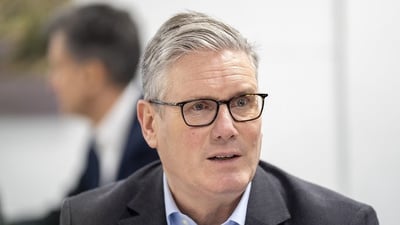
Keir Starmer is under intense pressure from his own party after Labour suffered major setbacks in the recent local and regional elections held across England, Scotland, and Wales. The ruling party lost hundreds of council seats and control of several important areas. Reports indicate that more than 70 Labour lawmakers, and possibly up to 90, have publicly called for Starmer to resign or set a clear timetable to leave his position. This comes as voters showed their dissatisfaction with the current government through the ballot box. Reform UK, led by Nigel Farage, made significant progress by gaining over 1,400 councillors in England, while other parties like the Greens and Liberal Democrats also picked up seats from Labour. In Wales, Labour lost its long-held position as the largest party, and in Scotland, the SNP strengthened its hold. These results have left many within Labour worried about the party's chances in the 2029 general election.
The situation became even more serious when four ministerial aides and junior ministers resigned in protest. High-profile figures such as Jess Phillips stepped down, along with others like Miatta Fahnbulleh. Some senior cabinet members are said to have privately urged Starmer to consider an orderly transition of power. Despite this, Starmer has stood firm. In speeches and meetings with his team, he has taken responsibility for the tough results but made it clear that he will not walk away. He told supporters and colleagues that stepping down now would create unnecessary chaos for the country at a time when stability is needed. Over 100 Labour MPs have come out in support of him, signing statements that say this is not the right moment for a leadership battle. Starmer has promised to deliver better results and focus on the issues that matter most to ordinary people, such as the economy, public services, and everyday living costs.
Many people watching British politics see these election losses as a clear warning sign for Labour. The party came to power with high hopes after a strong general election win, but challenges like slow progress on key promises, public frustration over certain policies, and competition from newer voices have hurt its popularity. Reform UK's rise points to voter concerns around immigration, national identity, and local issues that some feel the main parties have overlooked. At the same time, the shift towards other parties shows that voters are looking for fresh answers. Starmer's team is now working hard to regroup, with meetings planned to steady the ship and prepare for upcoming challenges, including the King's Speech that will outline government plans for the year ahead. Potential future leaders like Wes Streeting, Angela Rayner, and others are being watched closely, though no one has formally launched a challenge yet.
The coming days will be very important for deciding the path ahead. Starmer continues to insist he can turn things around and prove his critics wrong by showing real improvements in how the government works for British families. Supporters believe that with time and focus, Labour can rebuild trust. However, the scale of the rebellion inside the party makes it one of the biggest tests of his time as prime minister so far. As the dust settles from these elections, everyone from ordinary voters to political experts will be watching to see whether Starmer can steady his leadership or if the calls for change will grow too loud to ignore. The story highlights how quickly political fortunes can shift and how important it is for leaders to stay connected with what people truly care about in their daily lives. Labour's next moves could shape not just the party's future but the direction of UK politics for years to come.