
Kuki-Zo Insurgent Camp Taken Over By CRPF In Manipur: Sinai Camp Among Two Sites Relocated Under Home Ministry Deal
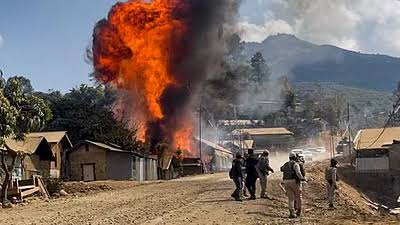
Central security forces have taken complete operational control of a designated Kuki-Zo insurgent base in Manipur, marking a significant step by authorities to tighten vigilance over armed groups operating under official ceasefire understandings. Units from the Central Reserve Police Force moved into the Sinai designated facility located in the hill areas, establishing direct administrative control over the installation. Government authorities confirmed that the site is one of two identified insurgent camps scheduled to be shifted to new locations under a structured framework formulated by the Ministry of Home Affairs to stabilize sensitive rural sectors across the state.
The takeover followed an extensive verification drive conducted by security forces to inspect the facility and verify identities against official rolls. During the inspection, police and central forces discovered seventeen individuals living inside the camp premises who were not listed on the official roster of registered cadres recognized by the authorities. Police stated that the seventeen persons were actively impersonating registered members of the armed group to gain access to camp amenities and avoid general security checks in surrounding districts. All seventeen individuals were taken into custody and transferred for formal questioning regarding their origins and affiliations.
The leadership of the Kuki-Zo insurgent organization strongly rejected the allegations made by the police department. Representatives of the group argued that the detained persons were not impostors or unauthorized infiltrators, but rather long-term residents and local community supporters who had stayed inside the camp boundaries for an extended period. Calling the security action an unprovoked escalation that violates existing ground rules, the insurgent leadership appealed directly for intervention from the central government, demanding an immediate review of the arrests and the restoration of normal camp protocols under the oversight of federal peace representatives.
Senior security officials asserted that the government approach toward designated insurgent camps has fundamentally changed. A high-ranking official stated that facilities established under the Suspension of Operations pact are no longer untouched or off-limits to law enforcement oversight. In earlier years, designated camps operated with high degrees of autonomy, with central agencies intervening only in severe emergency circumstances. However, continuous regional security challenges have led authorities to enforce strict monitoring, unannounced inspections, and biometric verifications to prevent designated facilities from being used for illegal movements or sheltering unauthorized armed personnel.
The planned relocation of the two designated camps forms a key part of the comprehensive security strategy negotiated by the Ministry of Home Affairs. Under the new arrangement, camps located near vulnerable villages or disputed boundaries are being shifted deeper into designated zones to prevent friction between differing local communities. Security planners believe that moving these camps away from civilian settlements and placing them under direct central force watch will significantly lower the chances of cross-border skirmishes and illegal weapon movement along key roadways.
Community elders and civic organizations across the hill regions are watching the central takeover with intense concern. Local leaders noted that while maintaining legal discipline inside armed facilities is necessary, official actions must remain fair and transparent to prevent building fresh distrust among displaced communities. The development highlights the sensitive path the central administration must navigate as it balances firm counter-insurgency policing with ongoing peace discussions to secure lasting stability across Manipur.