
Listen To Students Diljit Dosanjh Shabana Azmi And Celebrities Back Protesting Youth In New Delhi
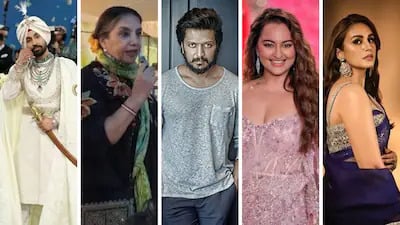
In the streets of central New Delhi on July 21 2026, a growing student movement reached a major turning point as prominent film personalities and cultural icons stepped forward to support thousands of young protesters. Demonstrators associated with the Cockroach Janta Party had gathered near Jantar Mantar and attempted a march toward Parliament to demand systemic education reforms, the resignation of Union Education Minister Dharmendra Pradhan, and action over alleged paper leaks in national competitive examinations. When security personnel deployed tear gas shells and used lathis to disperse the peaceful crowds, videos of police action quickly went viral across digital platforms. The intense confrontation sparked widespread emotional reactions from citizens, pushing several leading actors, musicians, and filmmakers to raise their voices publicly and urge government officials to open a constructive dialogue with the youth.
Popular Punjabi superstar and actor Diljit Dosanjh took to social media to voice his concern over the treatment meted out to young citizens. Expressing his grief over the violence in New Delhi, the artist stated that students are the future of the nation and should never be subjected to physical force for raising legitimate grievances. Reflecting on his past support during the 2020 farmers movement, he noted that speaking up for social causes often leads to being labelled as an anti-national, yet he felt morally compelled to request authorities to listen to the legitimate demands of students. Simultaneously, veteran actor Shabana Azmi personally visited the protest venue at Jantar Mantar, walking alongside young aspirants to uphold their constitutional right to peaceful assembly. Addressing reporters at the site, the 75 year old actor emphasized that peaceful agitation is a democratic right and demanded an increase in public funding for education to 6 percent of the national gross domestic product.
The wave of solidarity quickly expanded across the Indian entertainment industry as numerous public figures issued public statements. Actor couple Riteish Deshmukh and Genelia Deshmukh released a joint message emphasizing that young people represent the heartbeat of Indian democracy and their concerns must be addressed without fear or intimidation. Renowned actor Prakash Raj visited the venue holding a copy of the Constitution, urging elected representatives to answer for examination failures rather than silencing dissent. Other figures including filmmaker Anurag Kashyap, actor Huma Qureshi, Vir Das, and Swara Bhasker also condemned the aggressive police response, stressing that patience and open communication should always take precedence over administrative force when dealing with young aspirants.
Beyond the immediate emotional appeals from celebrities, the incident reveals deep seated structural friction within the administrative handling of student agitations in India. On one side, security agencies argue that strict crowd control remains necessary to maintain public order and prevent potential disruption around high security parliamentary zones. On the other hand, the heavy handed police crackdown on non violent student gatherings highlights a recurring failure in conflict resolution. When official channels fail to provide swift redressal for exam irregularities, young citizens are forced onto the streets, where police intervention often escalates tension rather than resolving the core issues.
The overwhelming celebrity backing also illustrates a significant evolution in how public figures engage with social movements in the digital age. While public support from influential stars brings massive media attention and validates the struggles of young aspirants, it can also polarize public opinion online. Social media users remain divided between those who praise celebrities for taking a principled stand and those who accuse them of interfering in sensitive political matters. Ultimately, long term stability will not come from internet debates or celebrity endorsements. The government must establish transparent examination frameworks, maintain strict accountability for paper leaks, and create direct communication channels to restore student trust in national institutions.