
Mamata Says Those Who Want To Leave Can Leave As She Vows To Rebuild Trinamool From Scratch While Congress Ego Blocks Urgent Opposition Unity
The political landscape of West Bengal has entered a highly turbulent phase following recent electoral shifts that reshaped the state balance of power. Facing internal organizational friction and external pressures Trinamool Congress chairperson Mamata Banerjee called a decisive high level meeting at her Kalighat residence to address the future of her party. Demonstrating an uncompromising stance toward shifting political loyalties Banerjee explicitly stated that she would not waste energy stopping individuals who wish to exit the party fold during this difficult transition. By declaring that those who want to leave can leave she cleared the path to flush out opportunists, vowing instead to identify dedicated grassroots workers and rebuild the entire Trinamool organization completely from scratch.
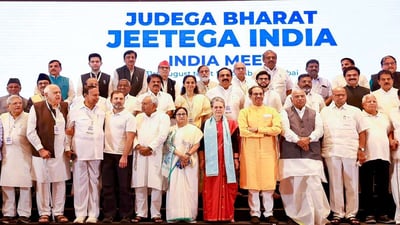
While executing this radical internal cleanup the former Chief Minister has simultaneously tried to spark a broader national movement by urging all anti establishment forces to put aside differences and unite under a single platform. This public call for solidarity was designed to bring student unions, regional factions, and secular parties together for a coordinated national push. However this urgent appeal for a grand opposition alliance has run directly into a wall of systemic gridlock. Despite visible declarations of intent across the political spectrum the practical implementation of a unified front remains severely fractured by deep rooted mistrust and competing regional ambitions.
The primary point of failure in achieving this necessary coalition stems from the structural ego of the Indian National Congress leadership which has continuously triggered fresh disputes within the opposition camp. Rather than facilitating a democratic and decentralized partnership the Congress party has reportedly used these unity discussions to demand absolute dominance, insisting that any national alliance must operate strictly under their centralized control. This rigid top down approach has deeply frustrated powerful regional satraps who command genuine grassroots loyalty in their respective states. Observers argue that by prioritizing its own institutional pride over collective pragmatism the Congress leadership is effectively sabotaging the very alliance it claims to champion, creating unnecessary friction with vital regional players.
This visible clash of political egos has left the broader opposition network deeply vulnerable, forcing independent parties to focus on self preservation rather than collective strategy. Mamata Banerjee shifting focus toward rebuilding her own party machinery from scratch is a direct reaction to this lack of meaningful cooperation at the national level. The continuous delay in creating a functional hybrid alliance model demonstrates a fundamental lack of strategic foresight among the national leadership where personal pride consistently overshadows political necessity. Until the central leadership of the coalition adopts a flexible and respectful approach toward regional partners the dream of a genuinely unified and formidable opposition front will remain completely out of reach.