
Why Global Travelers Are Flooding To Ladakh This Summer Breaking All Tourism Records
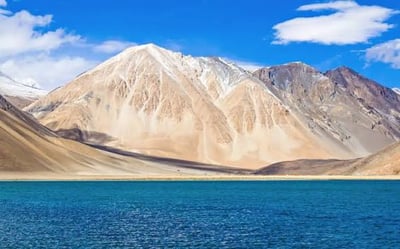
The high altitude paradise of Ladakh is witnessing an unprecedented travel boom that has caught the attention of the global travel industry. According to the latest official statistics released by the local administration, international tourist arrivals in this breathtaking Himalayan region have virtually doubled. In June 2026, the region welcomed 6680 foreign tourists, which is a massive 99.46 percent increase compared to the 3349 international visitors during the same month last year. When combined with domestic travelers, the overall footfall for June 2026 reached 107740, representing a substantial 43.48 percent jump. This surge highlights a profound shift in how global travelers view the region, transforming it from a niche trekking zone into a highly coveted international hotspot.
While travelers from Israel continue to make up the largest chunk of foreign visitors, there is a rapidly growing diverse mix of tourists arriving from countries like Thailand, the United States, Vietnam, Germany, France, and Japan. This sudden influx is not an accident but the result of deliberate policy changes led by Lieutenant Governor Vinai Kumar Saxena. The administration recently granted formal industry status to local hotels and guest houses, which significantly reduced red tape and encouraged better private investment. Additionally, the region has consciously expanded its travel catalog. Instead of relying solely on standard summer sightseeing, Ladakh is heavily promoting unique experiences like astro tourism, high altitude winter sports, wildlife safaris, and cultural wellness retreats. This strategy successfully extends the typical travel season, turning the remote territory into an attractive year round destination.
However, this massive influx of human traffic brings heavy challenges to a landscape known for its ecological fragility. Rapidly expanding infrastructure, growing numbers of commercial vehicles, and the waste generated by over 100000 visitors in a single month put a tremendous strain on scarce local resources like clean water and waste management systems. While granting industry status to accommodations helps businesses scale up, it also risks commercializing sensitive zones too quickly if strict building codes are not strictly enforced. The heavy concentration of tourists during peak months shows that while the economic benefits are distributed among local drivers, homestay hosts, and guides, the physical ecosystem is bearing a heavy burden. The administration must ensure that infrastructure growth goes hand in hand with rigorous conservation laws, rather than letting commercial demand dictate the pace of development.
Ultimately, the spectacular growth numbers of 2026 show that Ladakh has successfully established its footprint on the global tourism map. The challenge moving forward will be balancing this newfound economic prosperity with the preservation of its pristine environment and unique cultural heritage. If managed with a strong focus on eco friendly tourism, this boom can secure long term financial independence for the local communities. The coming years will determine whether the region can successfully maintain its identity as a sustainable sanctuary or fall victim to the traditional pitfalls of mass commercialization.