
Modi Government Shuts Down Polio Vaccine PSU BIBCOL Leaving Helpless Workers Starving and Selling Mangalsutras
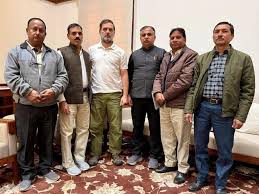
Hundreds of workers and scientists at the state-owned vaccine maker Bharat Immunologicals and Biologicals Corporation Limited, known to the country as BIBCOL, have been pushed into severe poverty and hunger after the central government decided to shut down the historic enterprise. The manufacturing plant, located in the quiet town of Chola in the Bulandshahr district of Uttar Pradesh, once stood as a proud symbol of India's medical independence, producing billions of oral polio drops that helped save countless children from permanent paralysis. Today, the very staff who dedicated their best working years to make the nation free of polio find themselves standing on the roadside without wages, abandoned by the government they served for decades.
Inside the residential colony next to the factory gates, the human suffering is visible in almost every household. Families who lived respectable lives now struggle to put together two basic meals a day. With monthly salaries stopped for over a year, mothers have been forced to sell off their sacred wedding jewelry, including their gold mangalsutras, simply to buy flour, lentils, cooking oil, and life-saving medicines for elderly parents. Other workers have broken open small piggy banks belonging to their children, while several families have pulled their sons and daughters out of schools and colleges because they could no longer pay the monthly tuition fees.
The tragic turn of events at the public sector company follows the official decision by the Narendra Modi administration to pull the plug on the firm and initiate a complete closure process. Rather than modernizing the factory or providing financial assistance to upgrade its testing laboratories, the central government decided to end operations, leaving over one hundred and fifty permanent staff members and numerous contract workers in total darkness. The decision came as a heavy shock to the employees, who had expected the authorities to protect a strategic health asset rather than hand over the nation's vaccine security entirely to private pharmaceutical corporations.
Established in the late 1980s under the Department of Biotechnology, BIBCOL was founded with a noble mission to safeguard poor children across the country from the crippling effects of the polio virus. At its peak, the public enterprise produced up to sixty crore doses of oral polio vaccine every year, supplying nearly sixty percent of all drops required by the national Pulse Polio immunisation program. The high quality and low cost of the drops made it possible for state health departments to vaccinate millions of infants living in the most remote corners of India. Workers recall times when they ran factory machinery round the clock during freezing winter nights to meet emergency national supply targets.
The decline of the company started when national and global health guidelines began shifting away from oral polio drops toward injectable vaccine alternatives. Despite repeated pleas from factory managers and worker unions to help the plant diversify into new medical products, necessary approvals and financial help from New Delhi were slow to arrive. A massive modernization project to set up a new production line for childhood vaccines remained stuck in bureaucratic delays for years. Even when the central government announced funds during the pandemic to produce indigenous Covid vaccines at the plant, the required technology and official clearances were never fully delivered, leaving the new machinery sitting idle and gathering dust.
As financial losses grew and official orders dried up, the administrative management stopped paying monthly salaries, leaving the staff without any income to survive. Workers who spent thirty years working inside cleanrooms and sterile packing halls were suddenly left with empty bank accounts. Local grocery shopkeepers and neighborhood chemists in Bulandshahr stopped giving items on credit, knowing that the company was on the verge of permanent liquidation. Many employees had to borrow money from local money lenders at very high interest rates, pushing them deeper into a dangerous cycle of personal debt.
The emotional pain among the workers is deep and bitter. Senior laboratory technicians and factory operators share heartbreaking stories of having to hide from house landlords because rent payments have been pending for months. Several female staff members wept openly while recounting how they had to visit local jewelers to weigh and sell their most precious ornaments just to feed their crying children. The employees point out the cruel irony that while political leaders deliver grand speeches about self-reliance, the very government workers who eliminated a deadly disease from Indian soil are being left to starve on the pavement.
Union representatives and worker delegations have traveled repeatedly to New Delhi, knocking on the doors of various ministries, submitting memorandums, and staging peaceful demonstrations. They have demanded either an immediate revival package to restart manufacturing or a fair, dignified voluntary retirement scheme with full clearance of pending wages, retirement funds, and gratuity dues. However, workers say that their cries for help have been met with total silence and cold administrative indifference, with official files being passed from one government office to another without any resolution.
Public health experts and social commentators have also voiced deep worry over the closure of public sector vaccine facilities. Analysts warn that completely shutting down state-owned pharmaceutical units leaves the country vulnerable to price manipulation by private manufacturers during future health crises. When public sector plants are allowed to die, the nation loses valuable scientific infrastructure, trained technical manpower, and the ability to manufacture cheap medicines for the poorest citizens who cannot afford expensive private treatments.
The ongoing disaster at the Bulandshahr plant stands as a painful story of administrative neglect and human tragedy. For the desperate workers standing outside the rusting gates of the factory, each passing day brings more hunger, deeper debt, and fading hope. As they wait for the central government to show basic compassion and release their hard-earned money, the quiet suffering of their families serves as a stark reminder of the heavy human cost behind cold corporate balance sheets and sudden factory closures.