
Modi Govt Fuel Shock Petrol And Diesel Prices Increased Thrice After Bengal Election
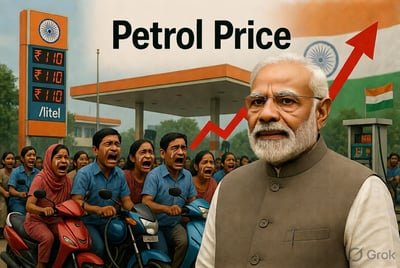
Millions of commuters and daily wage earners across India are waking up to a harsh financial reality at the fuel pumps. State owned oil marketing companies operating under central administrative guidelines have officially raised the retail prices of petrol and diesel for the third consecutive time within a span of just eight days. This latest round of price adjustments has pushed petrol to nearly ninety nine rupees and fifty paise per litre in the national capital while diesel has scaled past ninety two rupees per litre. This rapid series of updates represents a cumulative jump of nearly five rupees per litre across both fuel variants within a remarkably short period. The sudden nature of these continuous adjustments has caught the public off guard especially since retail fuel costs had enjoyed an extended period of absolute stillness stretching back over many months.
The timing of this sharp upward movement has ignited a massive debate regarding the underlying economic and political strategies of fuel pricing in the country. Throughout the high stakes assembly election cycles across five distinct states including West Bengal the retail prices at the pump remained entirely untouched. Government representatives and petroleum ministry officials consistently downplayed fears of an impending price surge during the campaigning period. Yet almost immediately after the polling booths closed and the final ballots were counted the long standing retail price lock was dismantled. On the fifteenth of May public sector fuel corporations rolled out an initial three rupee hike which was quickly followed by a second increase on the nineteenth of May and now a third significant revision. This sequence indicates that while the common consumer was shielded during the political voting season the financial dam could no longer hold back the immense economic pressure once the political dust settled.
A deeper look into the global energy market reveals the structural imbalances that forced the hands of domestic fuel retailers. India relies heavily on foreign sources importing more than eighty five percent of its total crude oil requirements. The escalating international military tensions in West Asia coupled with intense logistical disruptions around the highly critical Strait of Hormuz transport route have driven international crude oil prices consistently above one hundred dollars per barrel. For a long duration public sector oil marketing corporations were absorbing monumental revenue losses calculated to be around one thousand crore rupees per day to maintain stable retail costs. Passing these expenses down in a calibrated phased manner appears to be a calculated corporate strategy to rescue the balance sheets of domestic refiners. However keeping consumer prices suppressed during an election only to unleash multiple back to back hikes immediately afterward demonstrates how heavily political timelines influence everyday economic outcomes.
The cascading economic impact of these multi stage fuel hikes is bound to ripple through every layer of the domestic marketplace. Since diesel is the absolute lifeblood of heavy commercial transportation agricultural machinery and interstate logistics networks this multi rupee jump will almost instantly inflate freight charges. Higher transport operational costs mean that everyday essential commodities such as fresh vegetables dairy items and manufactured consumer goods will face intense inflationary pressure. Furthermore small retail businesses and local restaurant owners are already grappling with a massive nine hundred and ninety three rupee price increase on commercial liquefied petroleum gas cylinders implemented at the start of the month. While the central administration has successfully insulated domestic cooking gas for household kitchens the broader retail economy is now highly vulnerable to a stubborn inflationary wave that could potentially damp consumer spending power just as the new financial year takes full shape.