
Nepal Begins 40 MW Monsoon Electricity Export To Power Starved Bangladesh Via Indian Grid
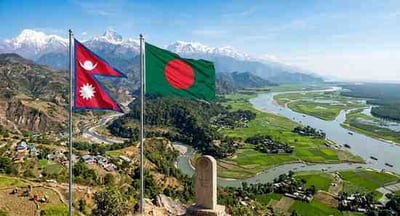
South Asia achieved a monumental breakthrough in regional connectivity as a historic trilateral electricity trade agreement officially came to life. From the midnight of June 14, 2026, Nepal began exporting 40 megawatts of clean hydro electricity to Bangladesh to help ease severe power deficits during the high demand monsoon season. This milestone represents the first time Nepal is supplying power to a third nation beyond its immediate neighbor India. The commercial flow is regulated by the Nepal Electricity Authority following a landmark tripartite pact finalized in October 2024 between Nepal, India, and Bangladesh. Under the current arrangement, Kathmandu will supply this renewable energy consistently from June 15 to November 15 each year, maximizing the use of its swelling Himalayan rivers that experience peak generation capacity during the rainy season.
While the activation of this trans national power route marks a massive diplomatic victory, the actual implementation exposed immediate infrastructural constraints. The Nepal Electricity Authority had formally requested permission from Indian regulators to supply an extra 20 megawatts of hydro power to Dhaka this season, following a mutual understanding reached with Bangladesh in November last year to scale up the trade volume. However, the Indian nodal agency, Vidyut Vyapar Nigam Limited, could not grant clearance for the additional package. Indian technical teams explained that the existing 400 kilovolt cross border transmission line networks are currently running at maximum safety limits, meaning the grid infrastructure cannot handle the extra load without risking structural instability, thereby keeping the current supply strictly limited to the original 40 megawatts.
The grid bottleneck brings to light a critical challenge within the South Asian power sector. Although Nepal possesses a massive seasonal electricity surplus that could potentially transform the region economy, its ability to monetize this resource remains completely dependent on the physical infrastructure managed by India. This geographical setup establishes New Delhi as the core logistical gatekeeper for sub regional energy commerce. The inability to accommodate the extra 20 megawatts demonstrates that while political desire for a green transition is strong among all 3 nations, physical transmission upgrades are not keeping pace with commercial demands. For Bangladesh, which is wrestling with intense foreign exchange pressure and domestic fuel shortages, missing out on the expanded allocation means continuing a costly reliance on fossil fuels to cover its remaining summer deficits.
Despite these immediate infrastructure limitations, the successful start of the 40 megawatt power transmission provides a highly positive template for long term regional growth. It shows that trilateral commercial frameworks can operate successfully across South Asian borders even during times of political transition. The arrangement creates an economic win win situation, allowing Nepal to generate revenue from overflowing river waters, India to reinforce its position as a central connectivity hub, and Bangladesh to secure cheaper clean energy. As climate targets demand a faster shift toward green infrastructure, this cross border connection emphasizes the urgent need for heavy investment in high capacity grid lines. If the 3 nations can jointly fund and expand their transmission infrastructure, this seasonal link could soon transform into a permanent pillar of regional economic cooperation.