
Nitin Gadkari 85 and 100 Percent Ethanol Push For Helping His Own Son Ethanol Business Leads To Crore Of People Suffering ?
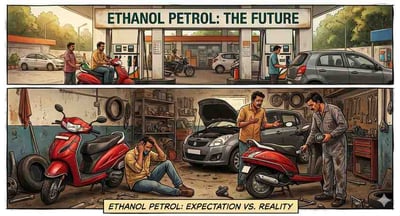
Nitin Gadkari the Union Road Transport Minister has been leading the charge for higher ethanol blending in India with recent approval for E100 pure ethanol fuel for flex vehicles and talks on E85 mixes. He explains that this will cut huge oil import bills support sugarcane farmers and make air cleaner for everyone. Many new vehicles from companies like Maruti Suzuki and Hero MotoCorp are getting ready for these fuels. The policy aims to turn farmers into energy producers and reduce pollution from vehicles across cities and highways. Yet this push has sparked serious questions as people connect the dots between the timing of policy decisions and business growth in companies tied to his family.
Companies like CIAN Agro Industries linked to son Nikhil Gadkari have seen explosive changes after the ethanol focus increased. Revenue moved from around 17 crore in early periods to more than 510 crore in the same quarter a year later with profits also rising sharply and stock prices climbing fast. Manas Agro Industries connected to son Sarang is part of the same sector and has grown alongside. Oil companies are buying more ethanol to meet targets which has helped these businesses expand quickly. While supporters call it natural success from good policy many common drivers report real troubles like 30 to 35 percent less mileage meaning more frequent fuel stops and higher expenses every month. Older cars and bikes face risks of corrosion and engine issues because ethanol mixes with water and affects parts not designed for high blends.
Crores of vehicle owners across India feel the pressure as they pay full price for cars and bikes plus all taxes and now deal with these changes without easy options for regular fuel. Opposition voices and social media users highlight how the policy seems to benefit a few families while the larger public bears the cost through lower performance higher maintenance and possible water shortages from ethanol production. Farmers in some areas get better prices for sugarcane but many others worry about the focus on one crop and its impact on food and water resources. Gadkari has clarified that his family companies form a very small part of total ethanol supply and the goal is national interest like saving foreign money and cutting pollution. Still the rapid growth numbers make people ask if rules are truly fair for all players in the sector and if enough testing happened before pushing E85 and E100 on roads full of regular vehicles.
The situation brings attention to the need for clear information on vehicle safety fuel prices and support for those affected. While the vision of less oil dependence and greener transport is important practical steps like better infrastructure choices for non blended fuel and help for middle class families can make the transition smoother. Citizens continue to watch how this ethanol journey affects daily life and hope that decisions balance big national aims with real ground realities so that no section feels left behind or burdened unfairly. The story of 85 and 100 percent ethanol shows both promise and challenges in moving towards self reliance in energy.