
No Debate In Parliament Until Dharmendra Pradhan Resigns Opposition Unites Over CJP Student Protests
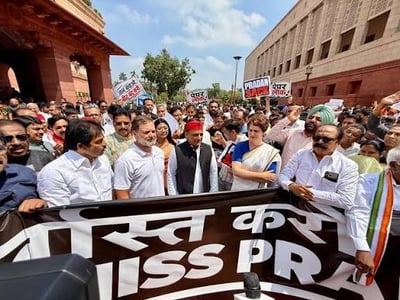
The political corridors of New Delhi turned into an intense battleground on July 22 2026 as Opposition parties joined forces to halt all parliamentary proceedings in solid support of student demonstrators. High drama unfolded in both houses of Parliament as lawmakers wearing black garments stood together to raise loud slogans against administrative negligence. Outside on the streets thousands of young members of the Cockroach Janta Party also known as CJP continued their month long demonstration at Jantar Mantar demanding a total overhaul of the competitive testing framework. The core issue traces back to the severe irregularities surrounding the NEET UG 2026 examinations which directly impacted 2000000 young medical aspirants across India. Tensions escalated sharply after security forces used heavy batons and chemical sprays on July 20 2026 against young boys and girls marching toward the Parliament building resulting in nearly 90 hospitalizations and over 1000 injured citizens seeking immediate medical care.
Inside the Lok Sabha and Rajya Sabha Opposition leaders took an unyielding stance declaring that no formal debate or regular government business would be allowed until Education Minister Dharmendra Pradhan steps down from his post. Leader of Opposition Mallikarjun Kharge along with Rahul Gandhi emphasized that holding discussions without first establishing executive accountability serves no real purpose for the affected families. The Opposition demanded the suspension of all routine listed business under Rule 267 to focus entirely on the educational crisis and police force used against young citizens. While Parliamentary Affairs Minister Kiren Rijiju maintained that the central government remains fully prepared to hold a comprehensive discussion on testing reforms the Opposition maintained that the resignation of the minister remains a non negotiable condition. The persistent standoff forced multiple formal adjournments throughout the day leaving legislative work completely stalled.
Meanwhile the momentum on the streets reached unprecedented levels as prominent public figures joined the student movement to express deep solidarity. Activist Sonam Wangchuk who entered day 25 of an indefinite hunger strike at Jantar Mantar received visits from a delegation of Opposition lawmakers at Medanta Hospital in Gurgaon where he was taken after his health deteriorated. The visiting members handed over an official letter signed by 51 lawmakers urging him to preserve his life while reassuring him that his message for systemic transformation has resonated nationwide. Simultaneously CJP chief spokesperson Saurav Das reiterated that the resignation of Dharmendra Pradhan is the baseline requirement for any peaceful resolution. The youth movement which originally started as a satirical digital platform has expanded into a massive social force representing deep seated frustration among young voters over mounting educational uncertainty and broken testing systems.
Looking at the broader administrative picture this intense political gridlock highlights a deep disconnect between parliamentary procedures and urgent public grievances. Examination paper leaks have troubled the Indian education system for years creating immense psychological stress for middle class households that spend millions of rupees on private test coaching. While public officials argue that shutting down parliamentary debates prevents constructive dialogue on policy solutions the Opposition believes that demanding executive resignations is the only effective tool to force genuine systemic reform. Public scrutiny has also intensified regarding the education choices of top ministers with citizens publicly questioning why leaders responsible for local schools choose international universities for their own children. This stark visual contrast between privileged options and the ground reality faced by everyday students has further fueled public outrage across digital platforms and physical protest venues.
As the impasse deepens without an immediate compromise in sight the entire nation watches closely to see how the central government handles this growing political storm. Senior leaders like Health Minister JP Nadda have appealed against politicizing competitive examinations stating that constructive parliamentary debate remains the proper forum to evaluate factors behind paper leaks and implement preventive policies. However with CJP leaders and united Opposition parties holding firm on their demands the pressure continues to mount on the central administration. Resolving this deep trust deficit requires more than political statements or temporary concessions from legislative authorities. Restoring absolute integrity to public entrance tests and protecting young citizens from administrative failures remains the primary test for the democratic governance of the nation as millions of students await a secure future.