
Not In Best Interests Trump Warns China Russia Against Arms Sales To Iran
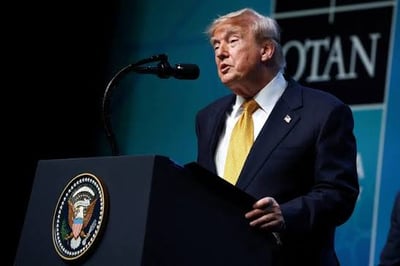
On 24 July 2026, United States President Donald Trump issued a firm warning to global powers regarding military support for Iran. Writing on his Truth Social platform and later addressing reporters at the White House, President Trump warned that any potential arms sales from China or Russia to the Iranian government would carry severe consequences. He emphasized that military involvement by either nation would be very bad for them and certainly not in their best interests. The public declaration comes at a moment of heightened geopolitical friction across the Middle East, as Washington closely monitors international defense transfers and strategic alliances that could further escalate regional conflicts.
During his statement, President Trump shared details of high-level diplomatic discussions held with top world leaders. He revealed that Chinese President Xi Jinping gave a personal commitment during their bilateral meeting in Beijing in May 2026, assuring that China would not under any circumstances supply or sell weapons to Iran, with the pledge explicitly extending to private Chinese companies. President Trump noted that he takes the Chinese leader at his word, adding that Washington continues to extend major diplomatic considerations to Beijing. Similarly, President Trump stated that Russian President Vladimir Putin gave parallel assurances despite ongoing military actions in Europe, acknowledging that Washington sells military hardware to NATO allies rather than directly to non-aligned entities.
The President reiterated his trust in both global leaders, expressing confidence that neither Beijing nor Moscow is actively participating in military transfers to Tehran. However, the comments highlighted a slight contrast with statements from Defense Secretary Pete Hegseth, who previously suggested that foreign entities were enabling Iranian operations. When questioned by reporters regarding potential intelligence sharing, President Trump maintained his reliance on direct personal commitments from foreign heads of state. This diplomatic approach reflects a calculated strategy of leveraging personal relationships with global powers while establishing clear red lines regarding defense transfers to volatile regions.
This diplomatic warning highlights a complex balancing act between global deterrence and economic leverage. Relying heavily on verbal assurances from strategic rivals carries inherent geopolitical risks, especially when regional defense networks operate through indirect channels or private defense firms. However, by publicly framing arms sales as counterproductive to foreign interests, Washington aims to discourage strategic partnerships without immediately triggering trade escalations. The coming months will test whether bilateral commitments hold firm or if shifting international alliances force a reevaluation of foreign policy strategies in the Middle East.