
NPCI Developing Offline UPI Tap To Pay Up To 2000 Rupees For Flights And Metro Trains
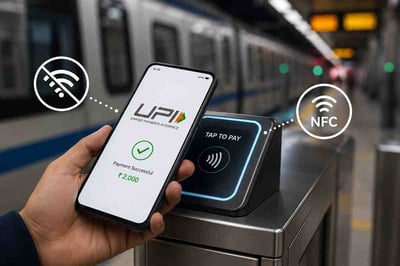
India digital payments ecosystem is preparing for a major technical leap as the National Payments Corporation of India NPCI moves to solve one of the biggest limitations of digital transactions. According to reports published on July 21 2026, the payments governing body is developing an offline Near Field Communication NFC tap to pay functionality for Unified Payments Interface UPI applications. This upcoming technological upgrade will allow consumers to make instant contactless payments of up to 2000 rupees without requiring an active internet connection on either the buyer smartphone or the merchant point of sale PoS terminal. The feature aims to bring card-like tap-and-pay convenience to mobile wallets, bridging the operational gap between credit cards and instant digital banking.
The primary objective behind this development is to ensure uninterrupted payment services in zero-network environments like aircraft cabins, deep underground metro networks, basements, and remote rural pockets. Under the proposed mechanism, users will pre-load funds into their on-device UPI Lite wallet while connected to the internet. When transacting in an offline area, the user simply taps their NFC-enabled smartphone against an NPCI-certified merchant PoS device. The transaction completes instantly without requiring a UPI PIN, with the terminal securely storing the payment authorization locally. Once the merchant terminal reconnects to a cellular or Wi-Fi network, the cached transaction data automatically pushes to bank servers for settlement.
While NPCI previously introduced UPI Lite X in 2023 for smartphone-to-smartphone offline transfers, this new initiative extends offline capabilities directly to commercial retail point-of-sale machines. NPCI is expected to begin certifying hardware devices from major PoS terminal manufacturers within the year 2026, enabling fintech developers to build custom offline acceptance applications. This move opens significant revenue opportunities for airlines and transit operators, who have traditionally struggled with failed card and digital payments onboard flights or inside deep subway tunnels due to connectivity dropouts.
Looking closely at the implementation landscape, the proposed 2000 rupees transaction limit reflects a calculated effort to balance user convenience against security risks. While the Reserve Bank of India existing offline framework generally caps single transactions at lower limits, expanding the ceiling for certified merchant terminals provides essential operational flexibility for flight and transit purchases. However, widespread adoption will depend on how quickly smartphone manufacturers standardize NFC hardware access and how smoothly acquiring banks manage offline settlement risks. If executed successfully, offline tap to pay will solidify UPI dominance as a truly universal payment infrastructure across India.