
Oil Futures Fall Sharply After Scott Bessent Signals Potential Diplomatic Deal To Reopen Strait Of Hormuz
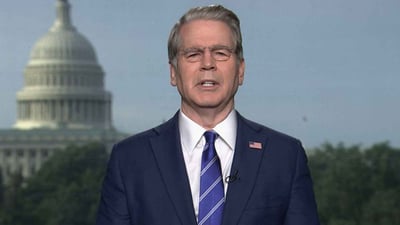
Global energy markets experienced a sudden downturn as international crude benchmarks dropped by over 4 percent following encouraging statements regarding Middle East diplomacy. In an official interview with television news networks, United States Treasury Secretary Scott Bessent announced that American negotiators and Iranian representatives are moving closer toward a short-term agreement aimed at reopening the Strait of Hormuz. The vital maritime pathway handles roughly 20 percent of daily global petroleum transport and has faced severe shipping disruptions due to regional tensions. Financial traders immediately responded to the news, pushing West Texas Intermediate crude down by 4.46 percent to $76.76 per barrel after it had touched an early session peak of $82.33 per barrel. Simultaneously, international benchmark Brent crude futures dropped by 3.71 percent to trade at $80.66 per barrel, effectively reversing earlier price gains and marking the lowest trading levels recorded since mid-July.
The sudden shift in market sentiment reflects growing hopes for a diplomatic breakthrough after weeks of supply uncertainty. Foreign ministry spokesperson Majed Al Ansari confirmed from Qatar that active diplomatic mediation involving delegates from Qatar, Pakistan, and Oman has produced preliminary draft proposals between both nations. Treasury Secretary Scott Bessent noted during his public comments that maritime monitoring systems have already recorded several commercial oil tankers exiting the waterway, signaling an early recovery in maritime traffic. Additionally, United States President Donald Trump confirmed that official discussions were progressing to stabilize global shipping routes and avoid prolonged economic instability. The news provided immediate relief to equity markets across Europe and North America, with major stock indices recovering lost ground while government bond yields retreated from recent multi-month highs.
Prior to these diplomatic statements, energy prices had risen by more than 2 percent earlier in the day following reported maritime security incidents near the coast of Oman. The United Kingdom Maritime Trade Operations center recorded a commercial vessel being struck by an unidentified projectile in the strait near Al Khasab, highlighting the persistent hazards facing international shipping operators. To cushion physical supply shortfalls while diplomatic talks continue, United States financial officials confirmed that previous administrative decisions to release 400 million barrels from the Strategic Petroleum Reserve remain active. Furthermore, regulatory actions taken to unblock roughly 260 million barrels of floating crude reserves have helped ensure physical availability for global refiners, preventing extreme physical shortages even during periods of elevated geopolitical friction.
This dramatic market movement underscores the acute vulnerability of global energy supplies to diplomatic commentary and maritime security in critical choke points. While a temporary agreement to reopen maritime passage provides immediate relief to consumers and fuel distributors worldwide, achieving lasting market stability requires permanent diplomatic frameworks rather than fragile short-term compromises. Energy analysts observe that regional oil production levels still remain below historic averages, meaning global crude markets will remain undersupplied until long-term security guarantees are fully established. The sharp price fluctuations observed within a single trading day highlight how modern energy markets remain tightly bound to political developments, where single official policy statements can rapidly recalibrate global economic expectations.
Looking forward, the successful execution of any drafted agreement will serve as a crucial test for regional stability and economic confidence. If maritime transit through the waterway resumes without further military interruptions, global energy inflation could ease significantly heading into the final quarters of the year. However, if formal negotiations hit unexpected hurdles or implementation delays occur, crude futures could swiftly reverse direction and resume their upward trajectory. For industrial economies and transport sectors across the globe, the ongoing negotiations represent a critical turning point between sustained economic recovery and renewed inflationary pressures.