
Pakistan Returns to Lead IMF and World Bank Boards After 74 Years: Symbolic Triumph or Real Economic Clout?
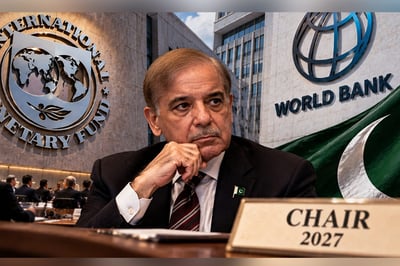
Pakistan has secured the incoming chairmanship of the Boards of Governors of the International Monetary Fund (IMF) and the World Bank Group for 2027, marking the nation's return to the position after a 74-year absence. The formal announcement was made during the plenary session of the 2026 World Bank–IMF Annual Meetings in Bangkok. Pakistan’s Federal Minister for Economic Affairs and Governor to the World Bank, Ahad Khan Cheema, was designated as the incoming chair to preside over the joint boards.
Islamabad celebrated the decision as a landmark diplomatic achievement and an affirmation of its standing in international policy circles. Following the announcement, Cheema held bilateral consultations with outgoing chair Carlos Carvallo Spalding, Governor of the Central Bank of Paraguay, and received operational briefings from the World Bank Group’s Corporate Secretariat regarding procedural governance for the upcoming tenure. The Pakistani delegation pledged to use the platform to advocate for a more responsive multilateral financing framework tailored to developing economies.
The milestone has drawn heightened scrutiny because of the country's ongoing economic dependencies. While the Boards of Governors represent the highest tier of decision-making bodies within both Bretton Woods institutions, the day-to-day administrative authority, loan approvals, and structural adjustment policies remain firmly vested in the resident Executive Boards and institutional management. Country voting power continues to mirror quota contributions and financial shares, where major donors like the United States and European nations hold dominant influence.
Consequently, economic analysts point out that while the chairmanship confers significant diplomatic visibility and the privilege of chairing the October 2027 Annual Meetings in Washington, it does not alter lending criteria or ease bailout conditions for the host nation. The office is rotated geographically on an annual basis, functioning primarily as a ceremonial and presiding role rather than an executive policy veto. Nonetheless, holding the post offers Islamabad a prominent pulpit to voice Global South concerns regarding climate finance, sovereign debt vulnerabilities, and multilateral development bank reforms.