
Rapid Action Force Verifies Alleged Use Of Pellet Guns Against Delhi Protesters
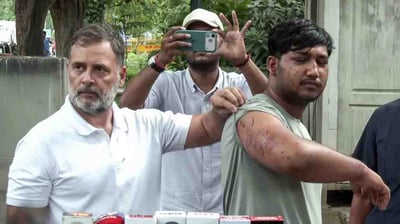
On 24 July 2026, official authorities confirmed that the Central Reserve Police Force initiated an internal verification exercise to examine reports regarding the alleged deployment of pellet guns by its specialized riot control unit, the Rapid Action Force. The investigation focuses on the events that transpired during a major student demonstration organized by the Cockroach Janta Party near Jantar Mantar on 20 July 2026. Thousands of young aspirants had gathered in the national capital to march towards Parliament, demanding accountability and systemic reforms over high profile competitive examination paper leaks. As security forces moved to intercept the rally, clashes broke out, leading to heavy force deployment and widespread chaos along the protest route.
The core of the controversy stems from serious medical reports and visual evidence indicating that several demonstrators sustained pellet injuries. At least two young protesters, including 19 year old student Sahil Lochab, required emergency surgical intervention at government medical facilities after metallic pellets pierced their skin and eyes, leaving one victim at risk of severe vision loss. While the Delhi Police repeatedly issued official denials regarding the possession or use of pellet firing weapons during the operation, the Central Reserve Police Force instructed its anti-riot unit Inspector General to reconstruct the full sequence of operational events. Officials stated that formal disciplinary actions or a court of inquiry would depend directly on the outcome of the ongoing factual verification.
Under standard operating procedures, 12 bore pump action guns, commonly known as pellet guns, form part of the standard riot control arsenal for the specialized force. However, guidelines explicitly mandate that such weapons must only be authorized during extreme situations involving immediate threats to life, fitted with special deflectors to restrict impact below the waist. The internal probe is currently reviewing extensive video footage, which captures personnel in distinctive blue camouflage gear alongside counter claims showing officers being surrounded by crowds. The Ministry of Home Affairs and top security commanders face growing pressure to clarify whether standard crowd control protocols were violated during the clash.
This ongoing scrutiny highlights a severe operational gap between standard crowd management protocol and field execution in sensitive urban protests. While law enforcement agencies cite public safety and the need to protect government infrastructure from unrest, deploying non-lethal weapons that cause permanent physical impairment on young demonstrators severely damages administrative credibility. The lack of immediate clarity from authorities during the initial aftermath of the event only served to heighten public anger and legal petitions in court. Moving forward, establishing clear accountability and enforcing strict operational restraint will remain essential to prevent similar escalations during civil demonstrations in the capital.