
Rahul Gandhi Attacks Modi Govt Over Petrol Chori Alleging High Ethanol Blending After Karnataka Fuel Tests
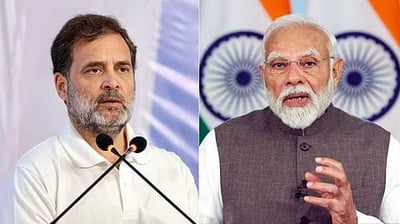
Leader of the Opposition in the Lok Sabha Rahul Gandhi has mounted an aggressive offensive against the Modi Govt over retail fuel quality, alleging widespread cheating through excessive ethanol blending in petrol. The senior Congress leader termed the situation petrol theft, asserting that ordinary vehicle owners are being shortchanged at fuel filling stations across the country. His sharp attack followed recent laboratory test results made public by the Karnataka state administration, which indicated that retail petrol samples contained ethanol proportions far above the government mandated ceiling.
The controversy is centered on the nationwide rollout of twenty percent ethanol blended petrol, widely known as E20 fuel. The Modi Govt has promoted this initiative to lower crude oil import dependencies, reduce vehicular emissions, and provide economic support to domestic sugarcane cultivators. However, consumer groups and opposition leaders have raised increasing concerns regarding vehicle engine health, reduced fuel efficiency, and the complete lack of clear labeling at retail fuel pumps.
The political dispute escalated after the Karnataka government gathered retail fuel samples across seven major districts to verify consumer quality and measurement standards. Independent tests conducted at a certified testing laboratory in Bengaluru revealed that eleven out of fourteen fuel samples contained ethanol concentrations exceeding the permitted twenty percent limit. State authorities stated that multiple fuel samples from leading commercial providers recorded mixing rates above thirty percent, creating fears of mechanical damage to vehicle engines.
Highlighting the laboratory findings, Rahul Gandhi cited specific figures from major state run and private fuel providers. He noted that tests on fuel from the Indian Oil Corporation revealed an ethanol concentration of thirty-one point two percent, while samples from Hindustan Petroleum Corporation Limited registered thirty point five percent. He claimed that both public sector companies and private retailers, including Bharat Petroleum, Nayara Energy, and Shell, were delivering fuel that breached established standards.
The Congress leader raised serious concerns over the practical harm caused to common citizens who drive two wheelers and small passenger cars. He explained that vehicle engines purchased by ordinary families are not designed to burn such elevated proportions of ethanol without experiencing long term wear and tear. Over time, excessive ethanol reduces driving mileage, corrodes engine components, and leads to expensive repair bills, leaving vehicle owners to bear the cost of poor quality regulation.
Lack of transparency at retail fuel pumps was another key concern emphasized by the opposition leader. He asked why fuel filling stations do not put up prominent display boards clearly showing the exact proportion of ethanol mixed into the fuel being poured into vehicle tanks. Without open disclosure, consumers who pay market prices for fuel are given no choice and remain unaware of the actual product composition entering their vehicles.
Directing his questions straight to the leadership of the Modi Govt, Rahul Gandhi demanded that Prime Minister Narendra Modi explain what was truly going into the fuel tanks of ordinary citizens. He asked when strict penalties would be imposed on oil companies found blending beyond the permitted twenty percent limit. He also renewed his challenge for an open debate, stating that energy policy, consumer protection, and corporate accountability should be discussed openly before the public.
Ministers in the Karnataka government also condemned the test results, demanding an immediate explanation from the Union Petroleum Ministry and central fuel regulators. Karnataka officials pointed out that when samples were initially handed over to internal testing centers run by oil marketing companies, the resulting reports failed to provide complete clarity on ethanol levels. This forced the state government to seek independent testing from accredited external laboratories to protect consumer rights.
Oil marketing companies and the Union Petroleum Ministry have pushed back against the allegations, maintaining that all fuel distributed across the country strictly conforms to standards set by the Bureau of Indian Standards. State run oil companies claimed that third party testing did not follow prescribed statutory and technical sampling protocols, asserting that automated blending terminals ensure ethanol mixing remains strictly within the authorized nineteen to twenty-one percent range.
The sharp political clash has turned the national ethanol blending roadmap into a heated debate over consumer rights, regulatory monitoring, and government transparency. With opposition leaders continuing to raise the issue and demanding an independent inquiry, the Modi Govt faces increasing calls to introduce transparent testing mechanisms and ensure that green energy policies do not compromise consumer interests.